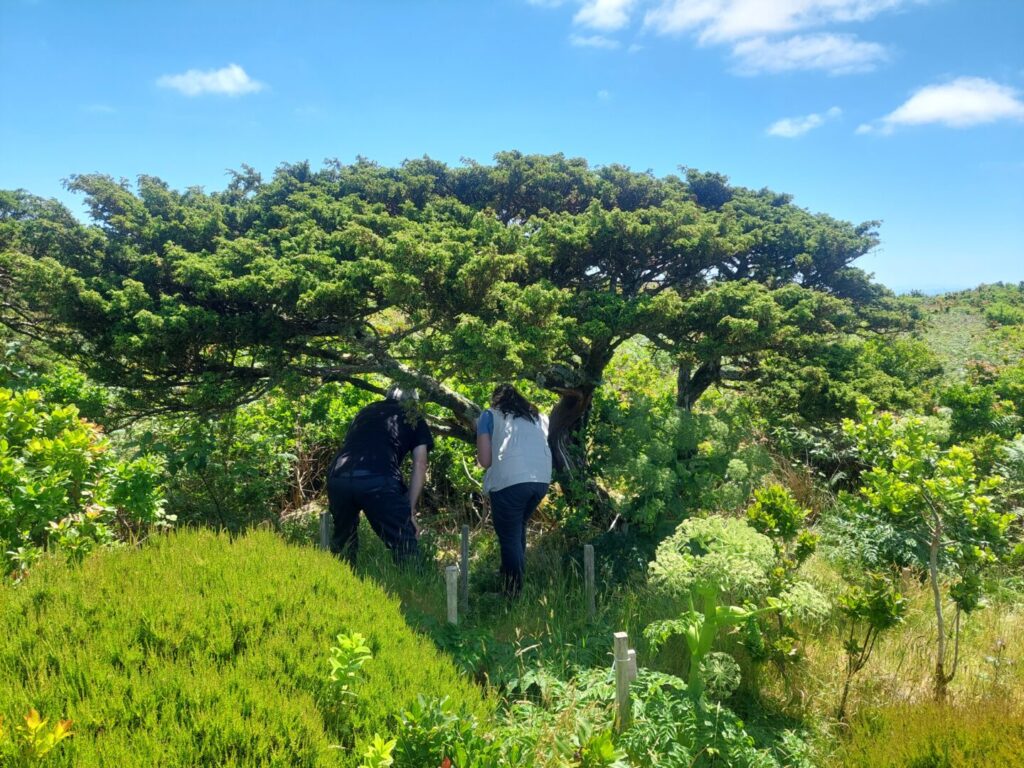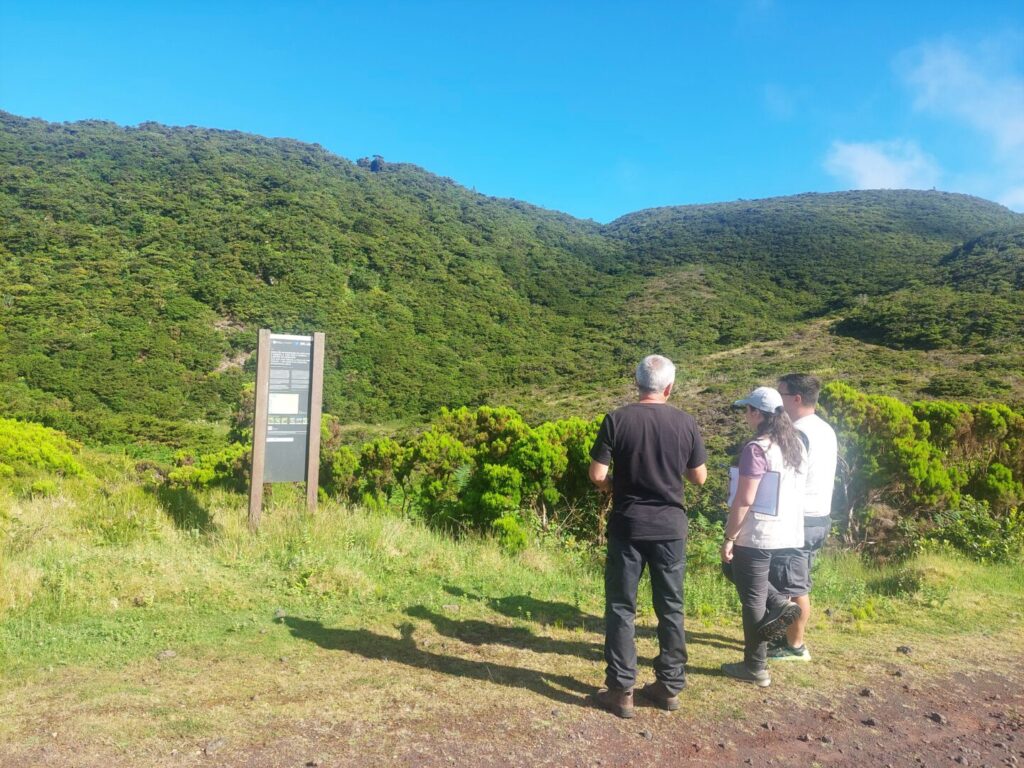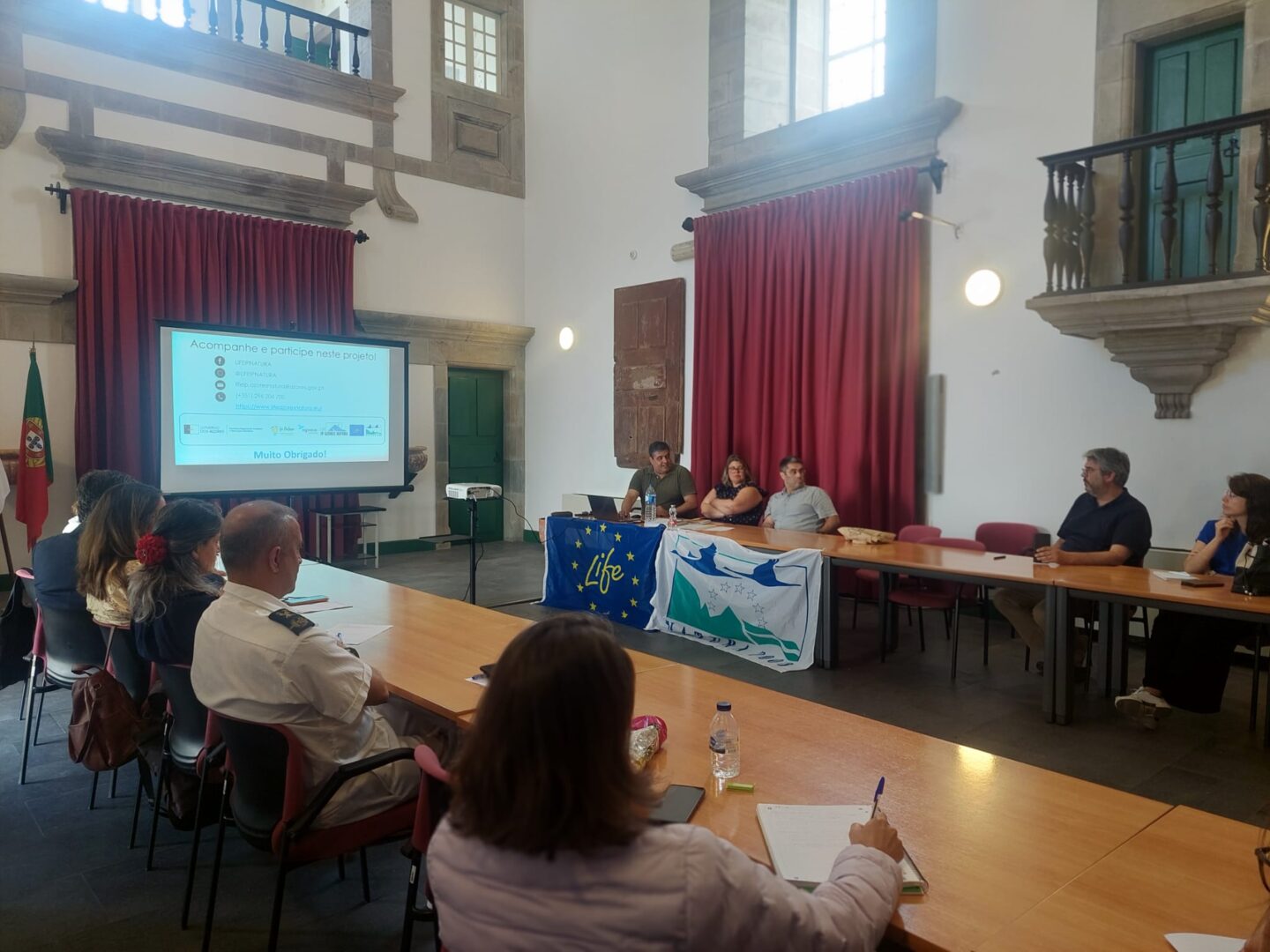
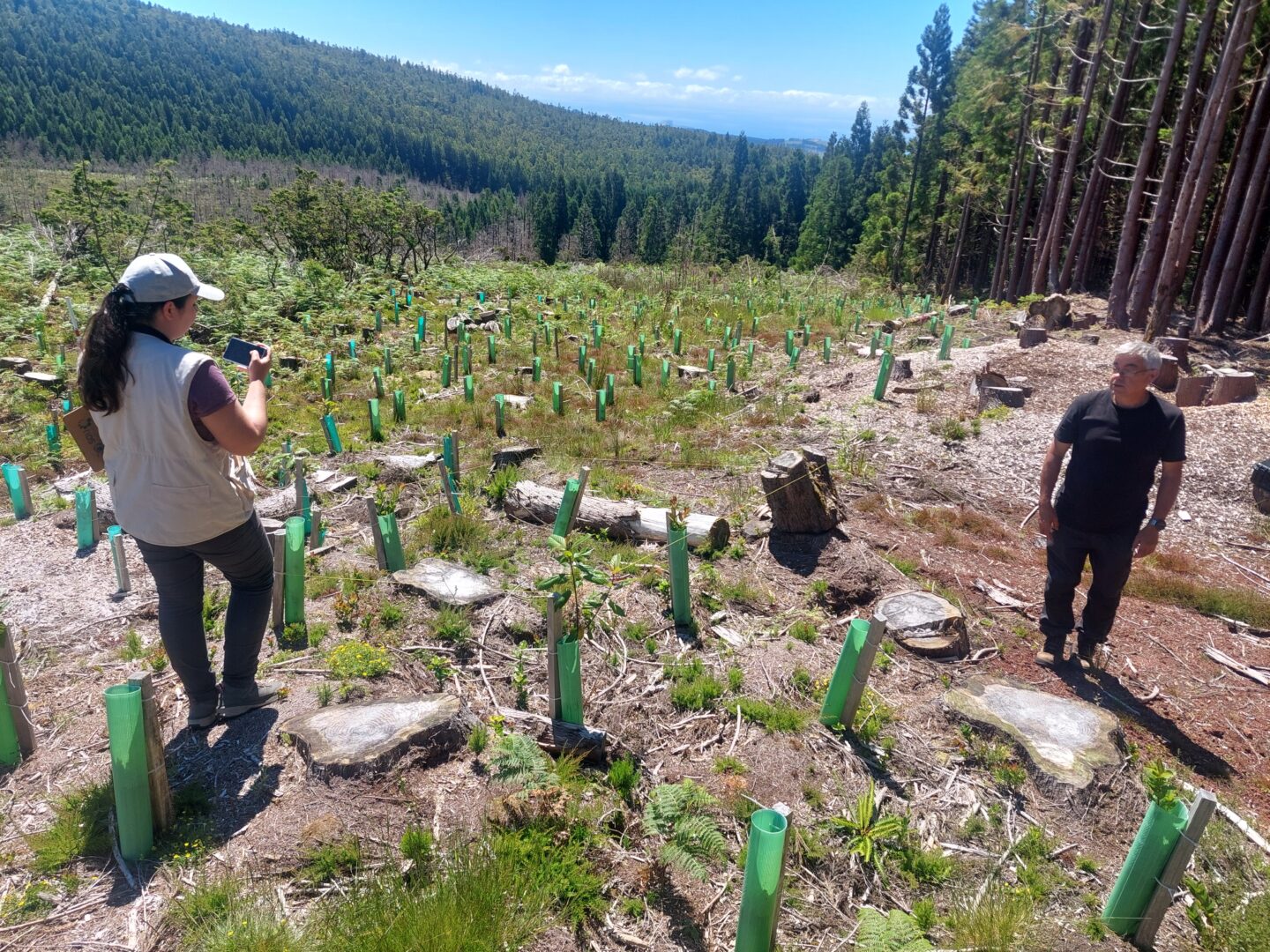
As part of the monitoring campaign carried out on the island of Terceira, the GEO21 team, in collaboration with experts from the LIFE IP AZORES NATURA project, visited the intervention areas to monitor the progress of the conservation measures being implemented.
During the fieldwork, a detailed survey of the intervention areas was carried out, including photographic records, drone images, counting of specimens present in the monitoring plots and an assessment of the plants’ phytosanitary status. This initiative not only enabled the collection of essential information for monitoring the results achieved, but also promoted the sharing of knowledge amongst the teams involved and allowed for a comparison of the data with that recorded in 2025.
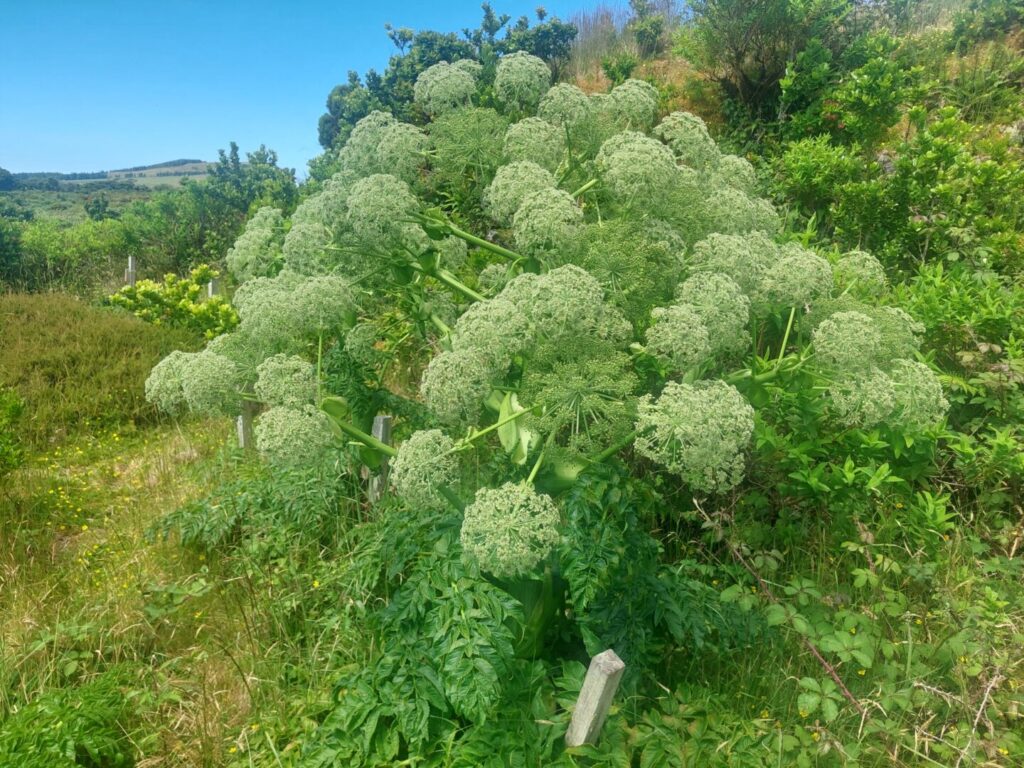
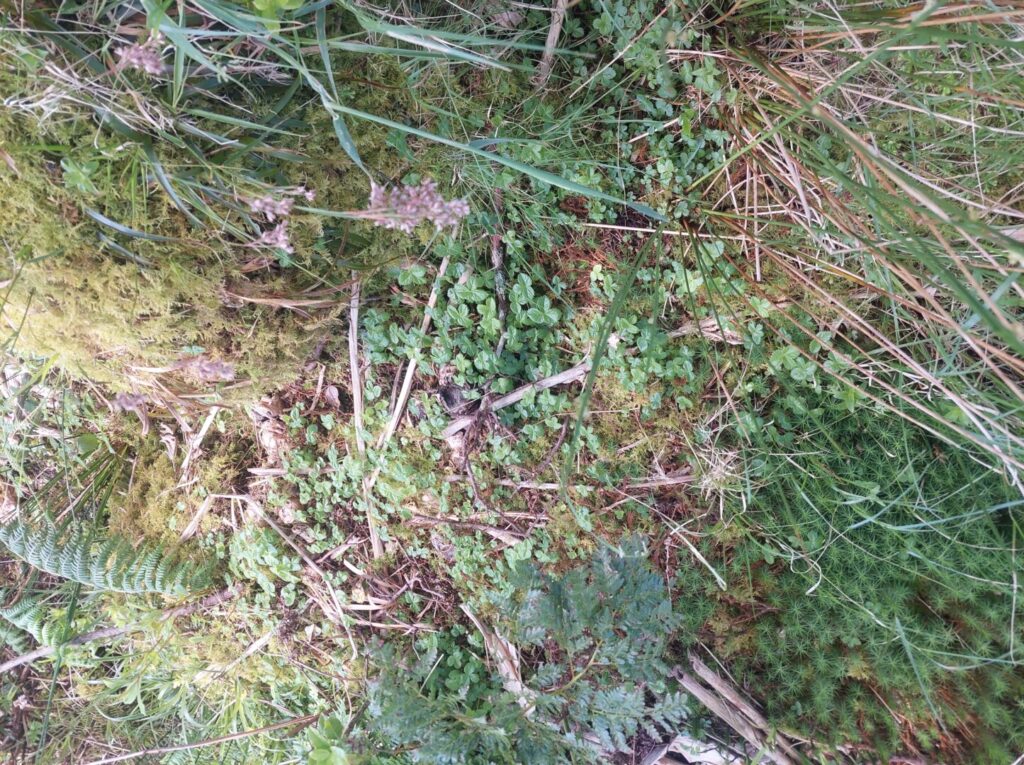
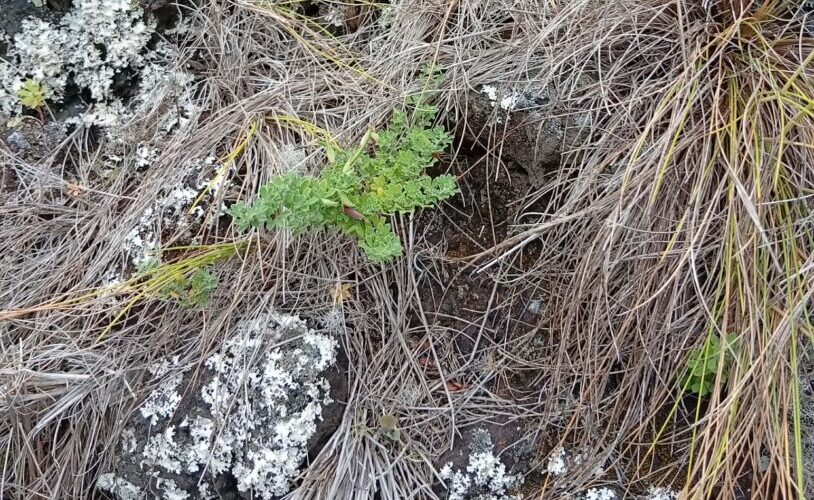
In the Rocha Chambre and Furnas areas, several flowering specimens of Azorean Angelica (Angelica lignescens) were observed, alongside the germination of hundreds of new seedlings resulting from the 2025 reproductive cycle. These results are a very positive indicator of the success of the natural regeneration of this species endemic to the Azores, which is protected under the Habitats Directive.
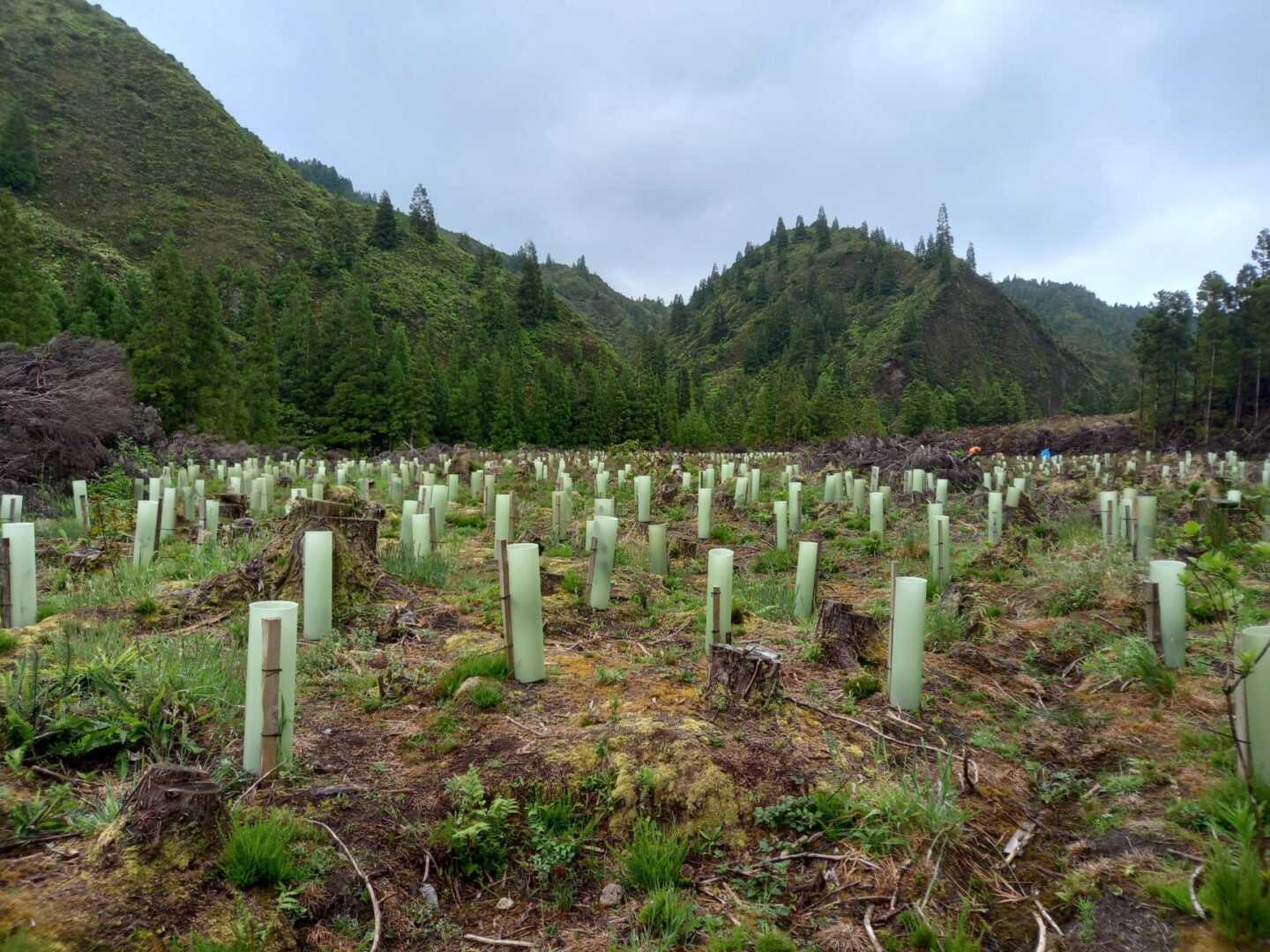
Clear signs of natural vegetation regeneration were also identified at Quinta da Madalena and Turfeira da Lomba. These observations confirm the effectiveness of the measures implemented, demonstrating that the controlled removal of invasive alien species creates favourable conditions for seed germination in the soil and for the recovery of native plant communities.
Overall, the results obtained reinforce confidence in the ecological restoration methodologies adopted by the project. By promoting conditions suitable for the development of native species, these interventions help to increase the resilience of habitats and ensure the sustainable recovery of Azorean biodiversity.
With the financial support of the LIFE Programme of the European Union.