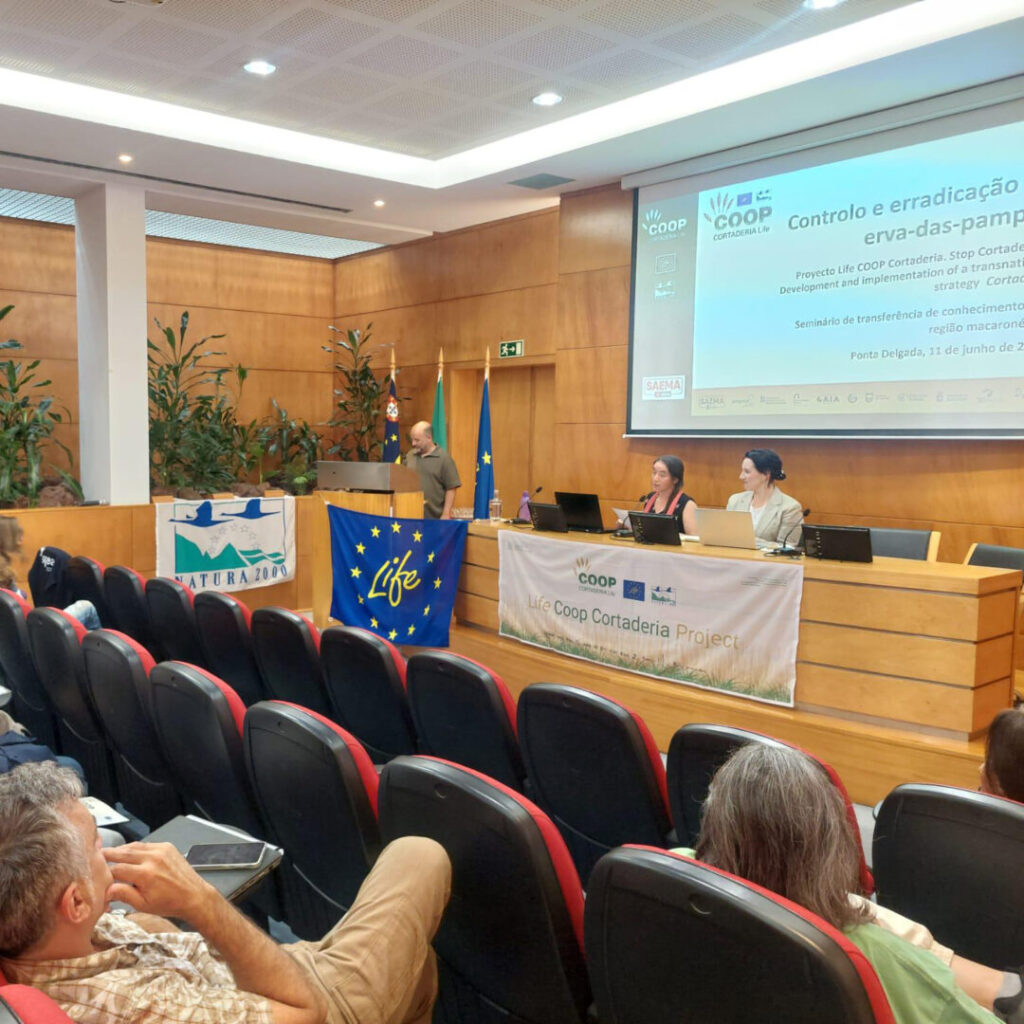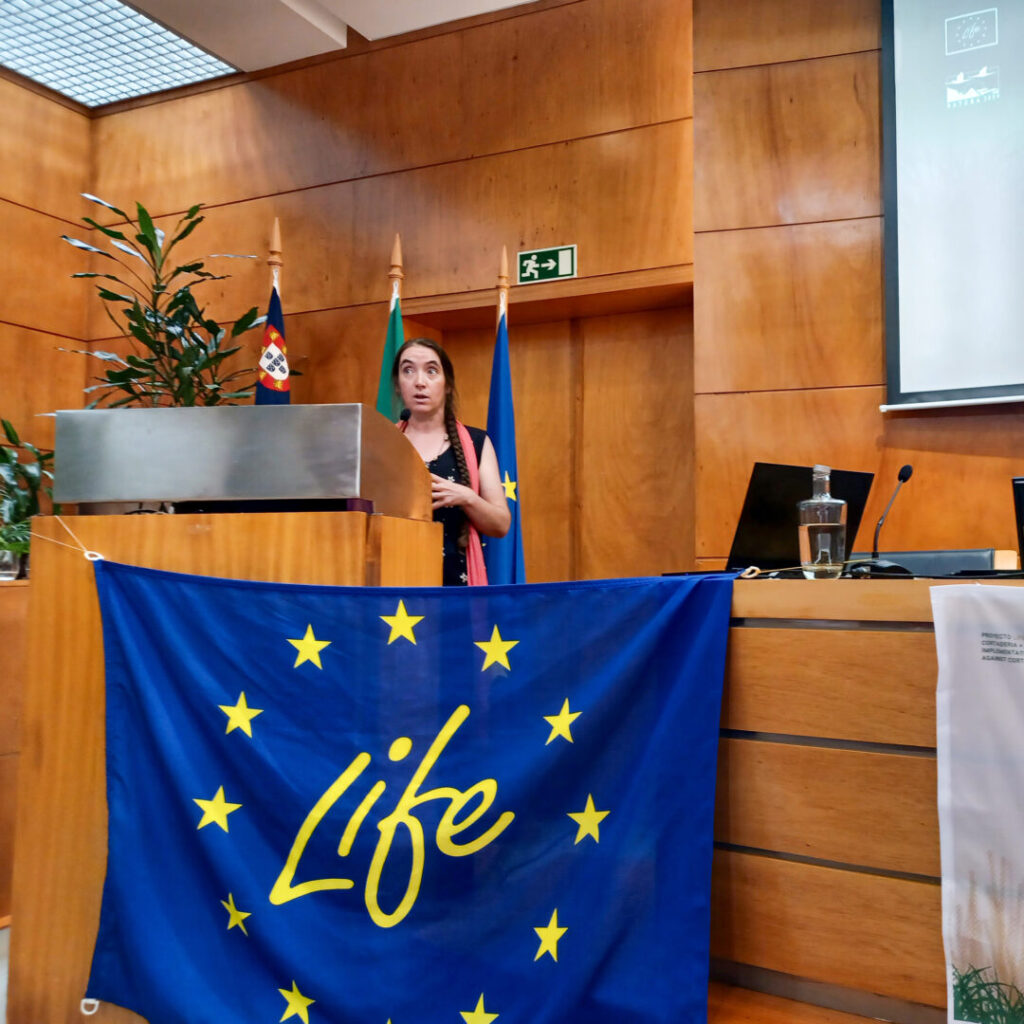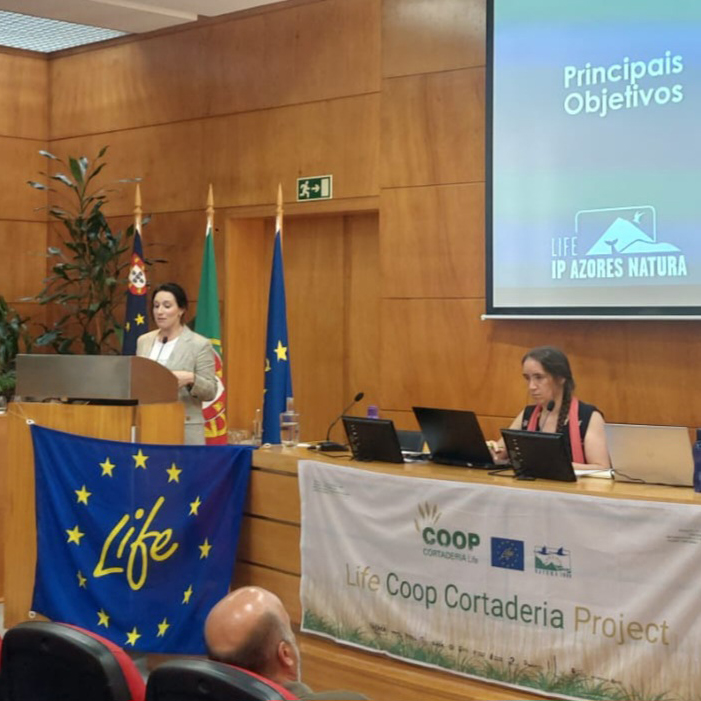

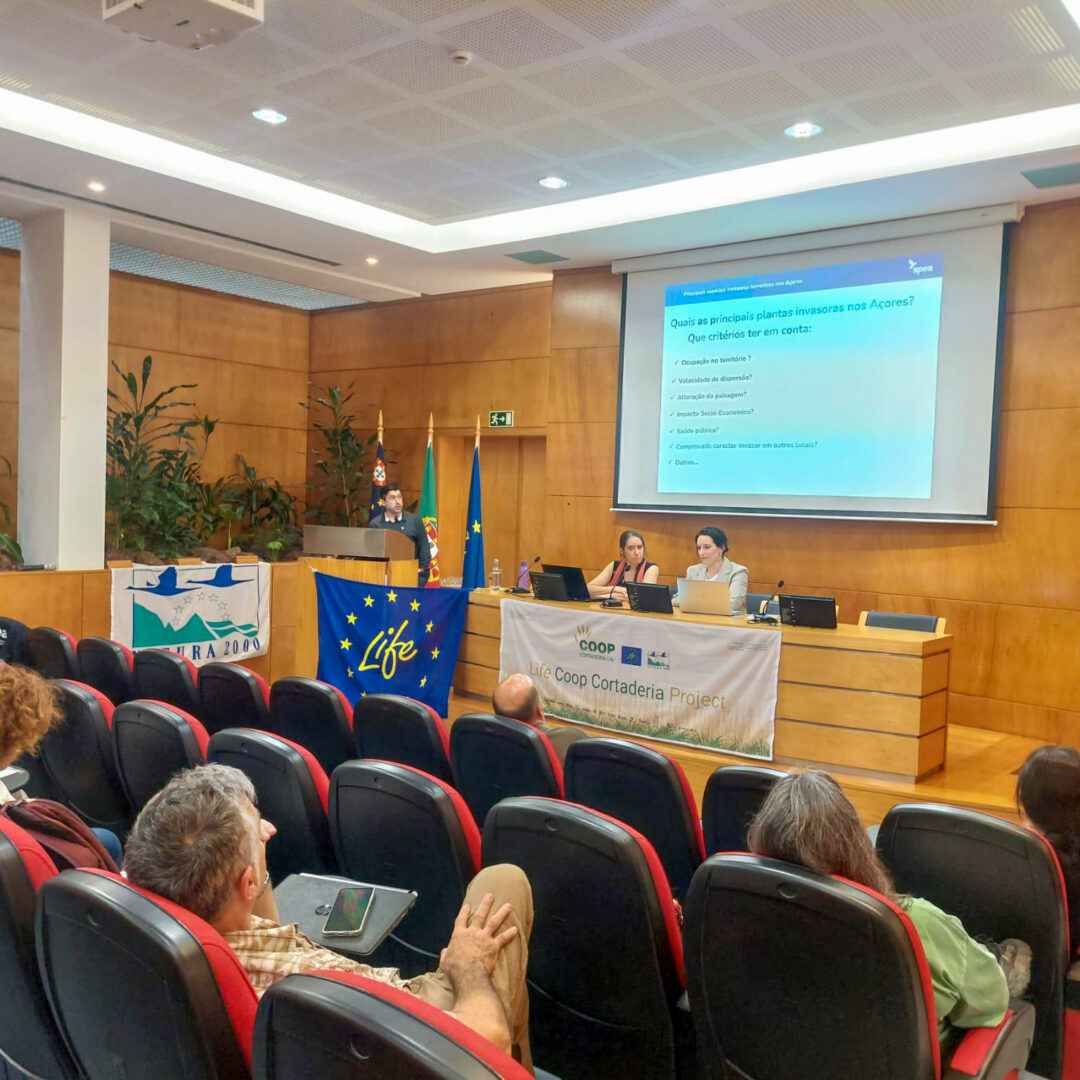
On 11 June, the Technical Seminar on Knowledge Transfer of the LIFE COOP Cortaderia project took place in Ponta Delgada, in collaboration with LIFE IP AZORES NATURA, a project coordinated by the Regional Secretariat for the Environment and Climate Action. The event took place at the Regional Civil Engineering Laboratory and was streamed online, enabling broad participation by all those interested in invasive alien species.
The seminar focused on pampas grass (Cortaderia selloana), an invasive alien species with a growing impact on the ecosystems and landscapes of the Azores. Other topics addressed included the management of invasive species, the role of citizen science in their detection and control, and the importance of collaboration between public and private bodies and civil society.
The impact of invasive species on human health was also highlighted, particularly allergies and respiratory problems, whose incidence has been rising. In this context, the importance of clear, accessible, and scientifically sound communication in raising public awareness was emphasised. A better-informed society is also better equipped to understand these challenges and actively contribute to the prevention and mitigation of their impacts.
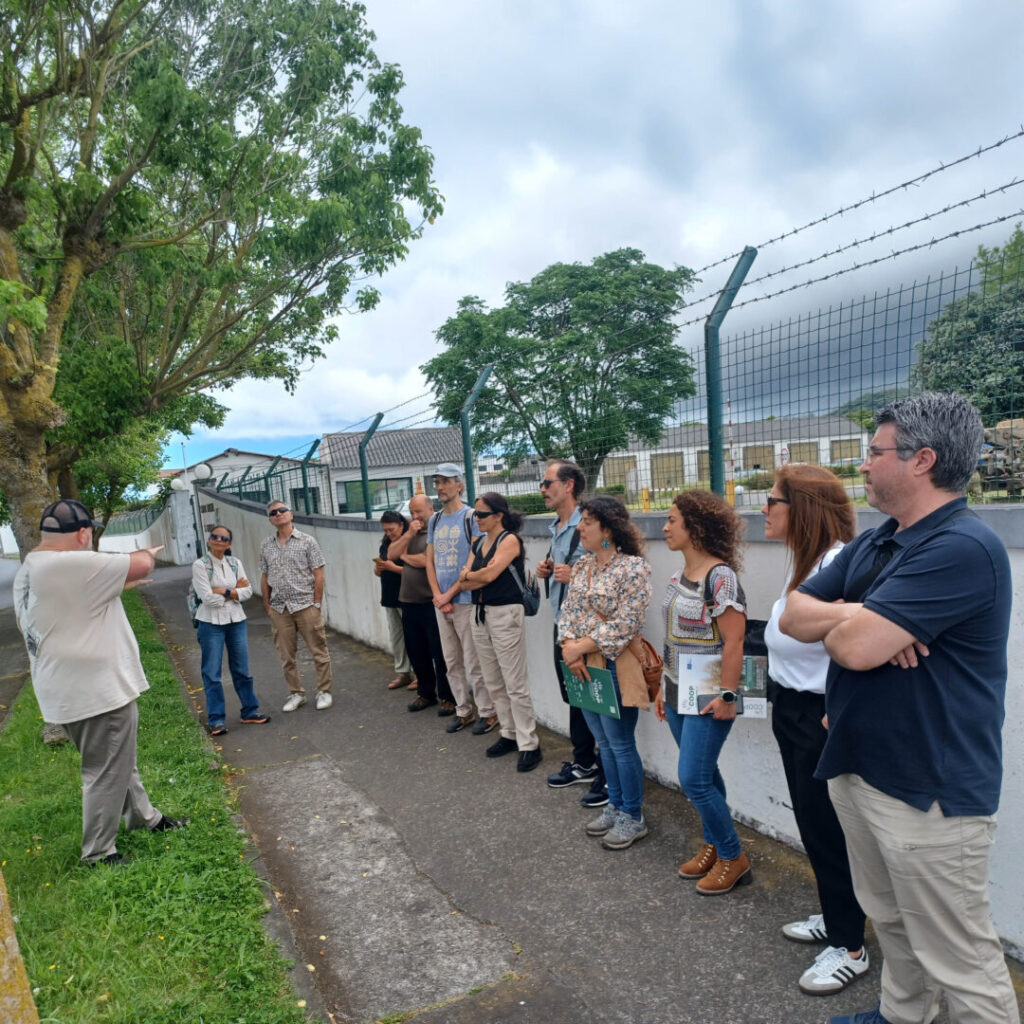
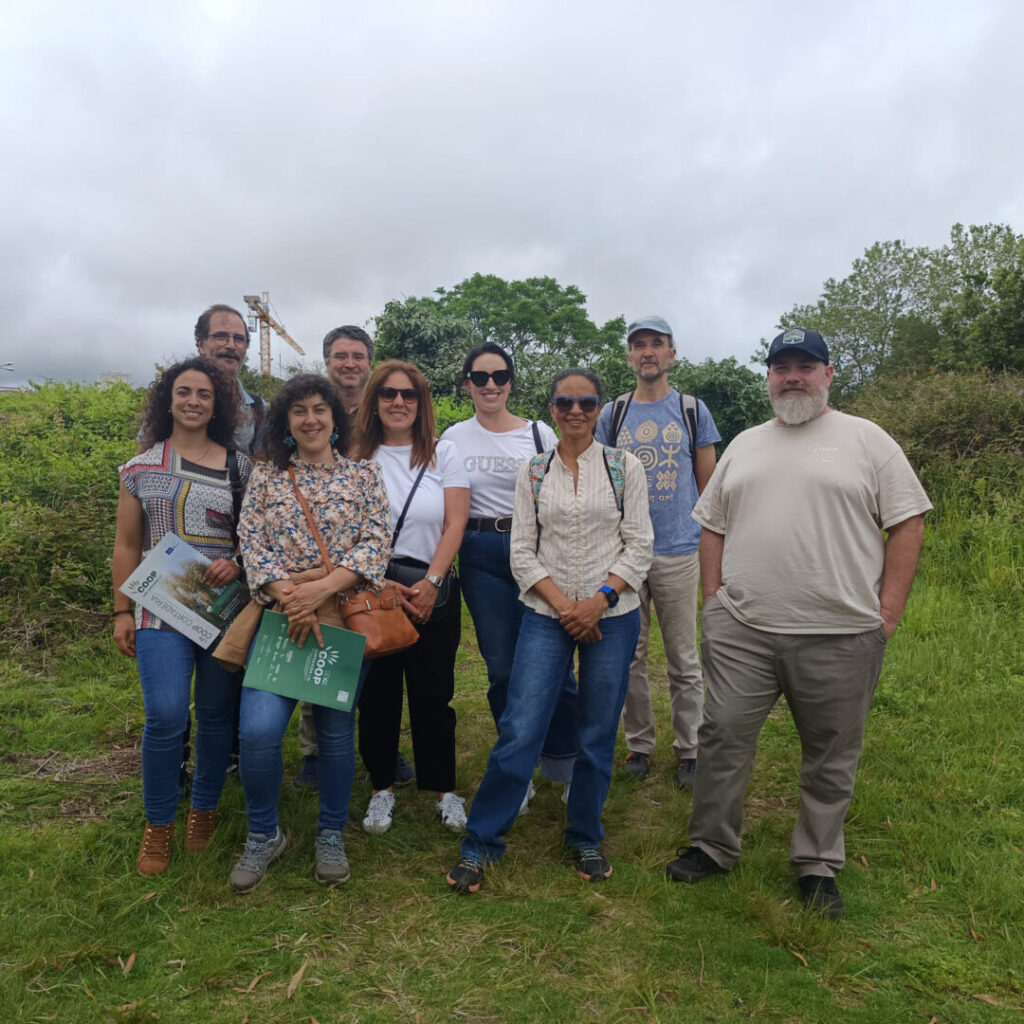
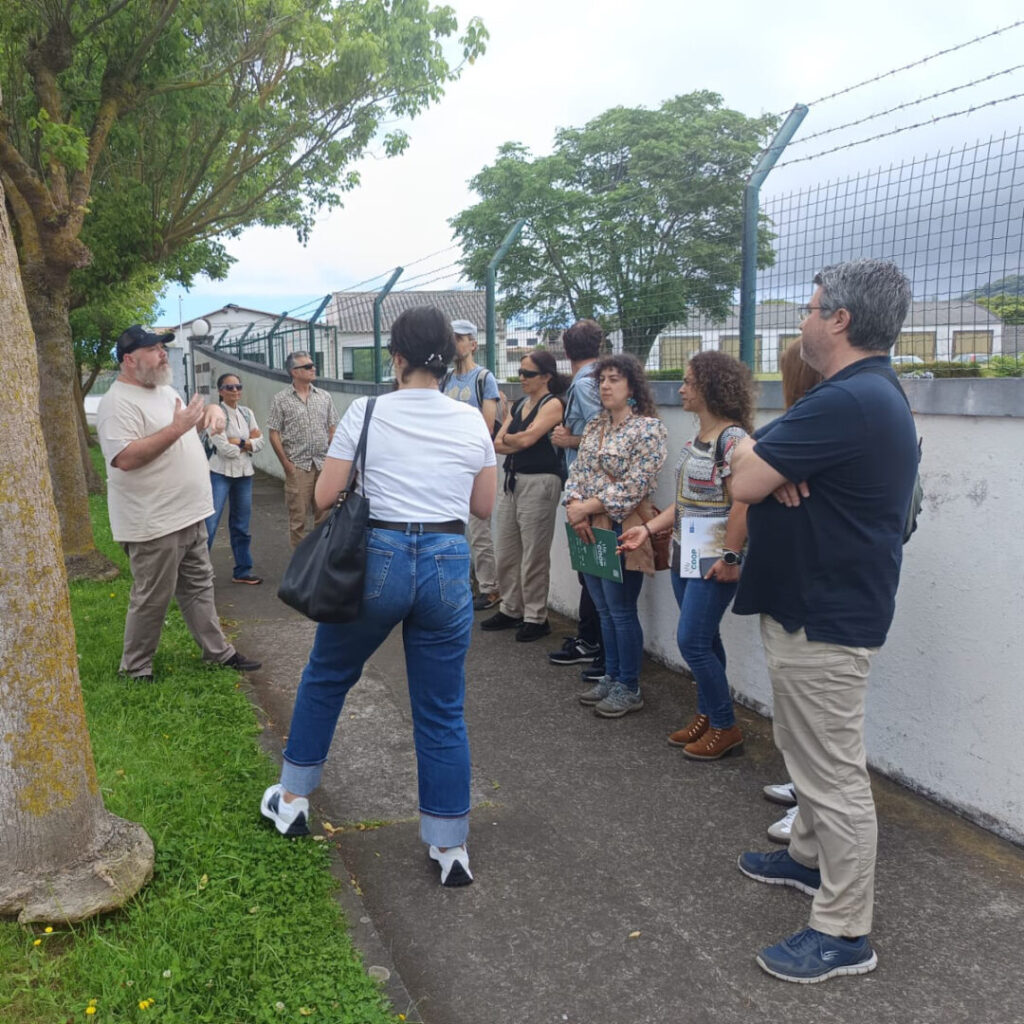
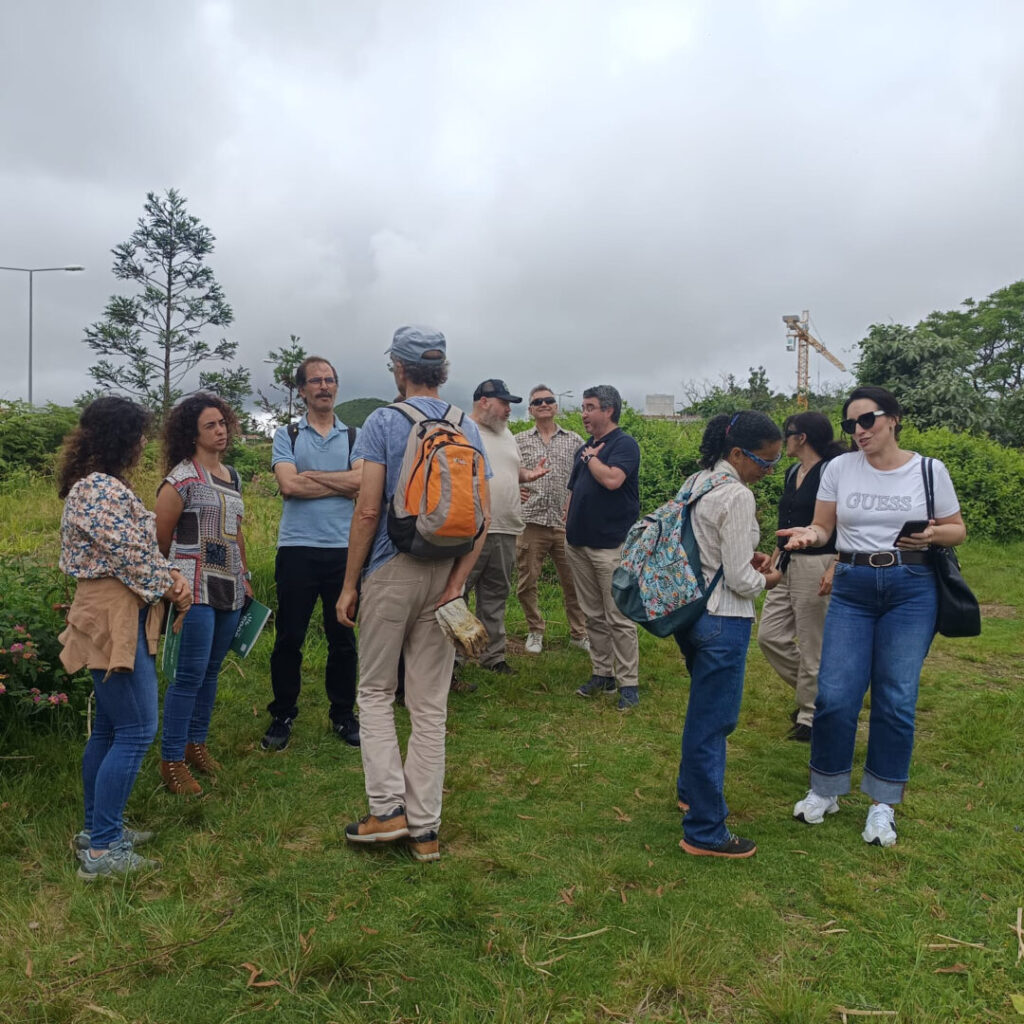
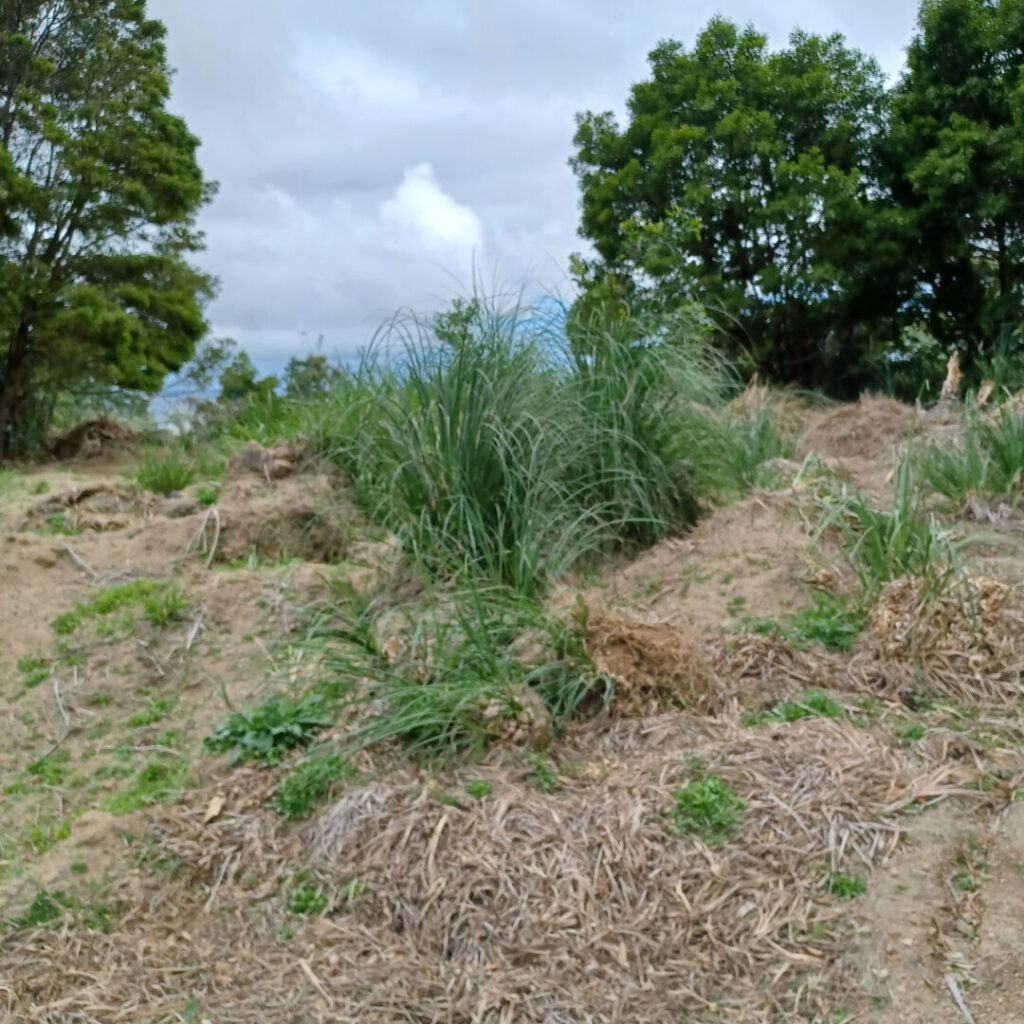
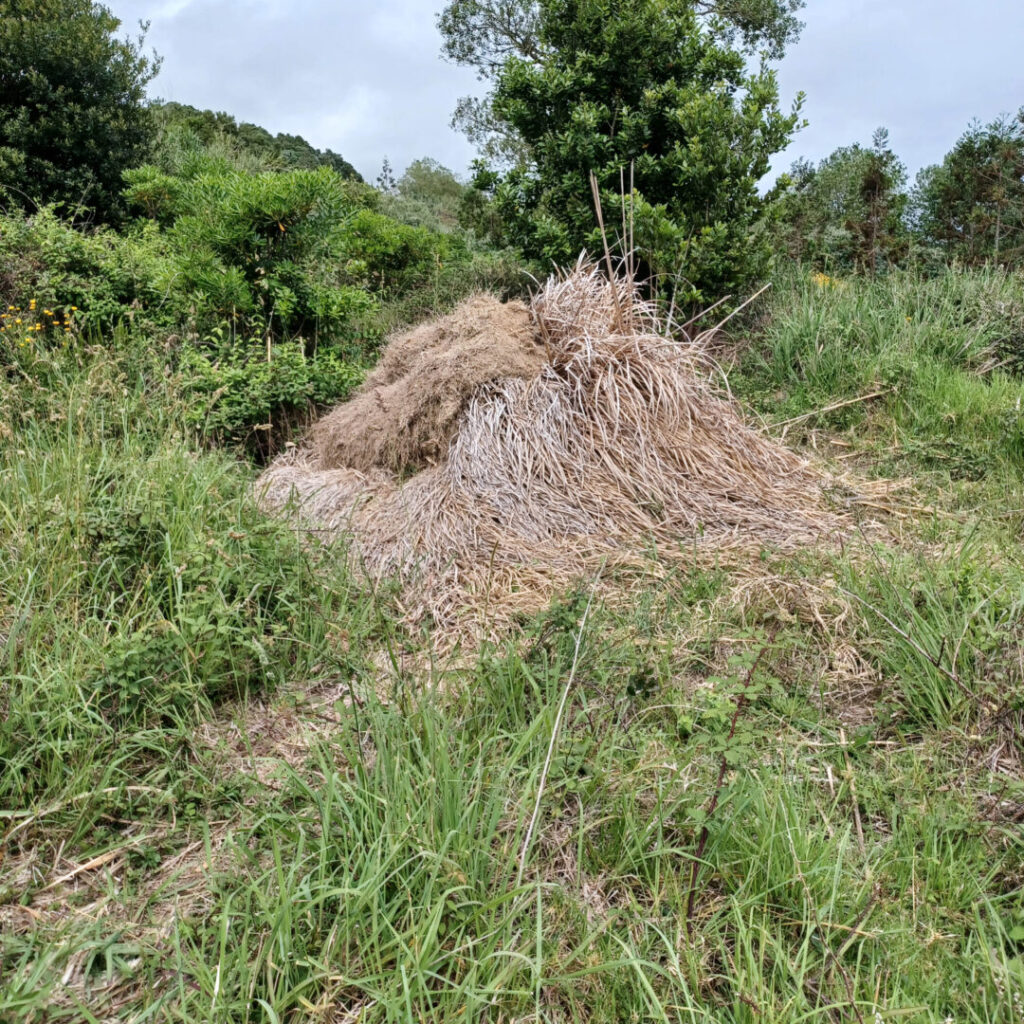
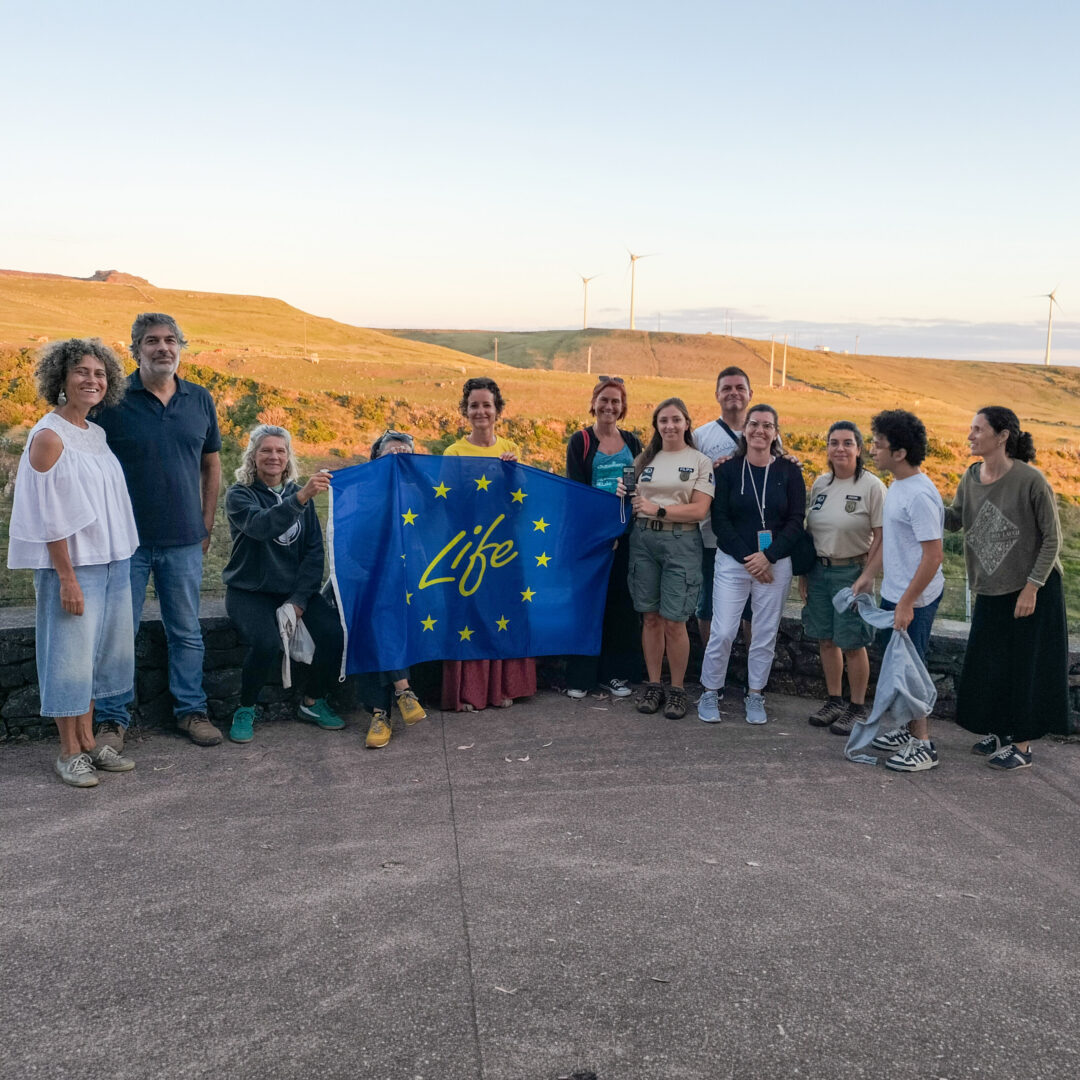
In the afternoon, a field visit was conducted to various urban areas of Ponta Delgada, where it was possible to observe firsthand the spread of pampas grass, highlighting this species’ high dispersal capacity. The visit also included Ponta Delgada Urban Park, where areas were identified that require further intervention to enhance the effectiveness of control measures.
The seminar provided an opportunity to exchange experiences, deepen technical knowledge and strengthen cooperation between projects and organisations involved in nature conservation. The initiative forms part of Action E3 of the LIFE IP AZORES NATURA project – Networking with other LIFE projects – promoting synergies and the sharing of best practice. With the financial support of the LIFE Programme of the European Union.