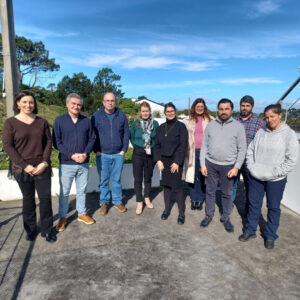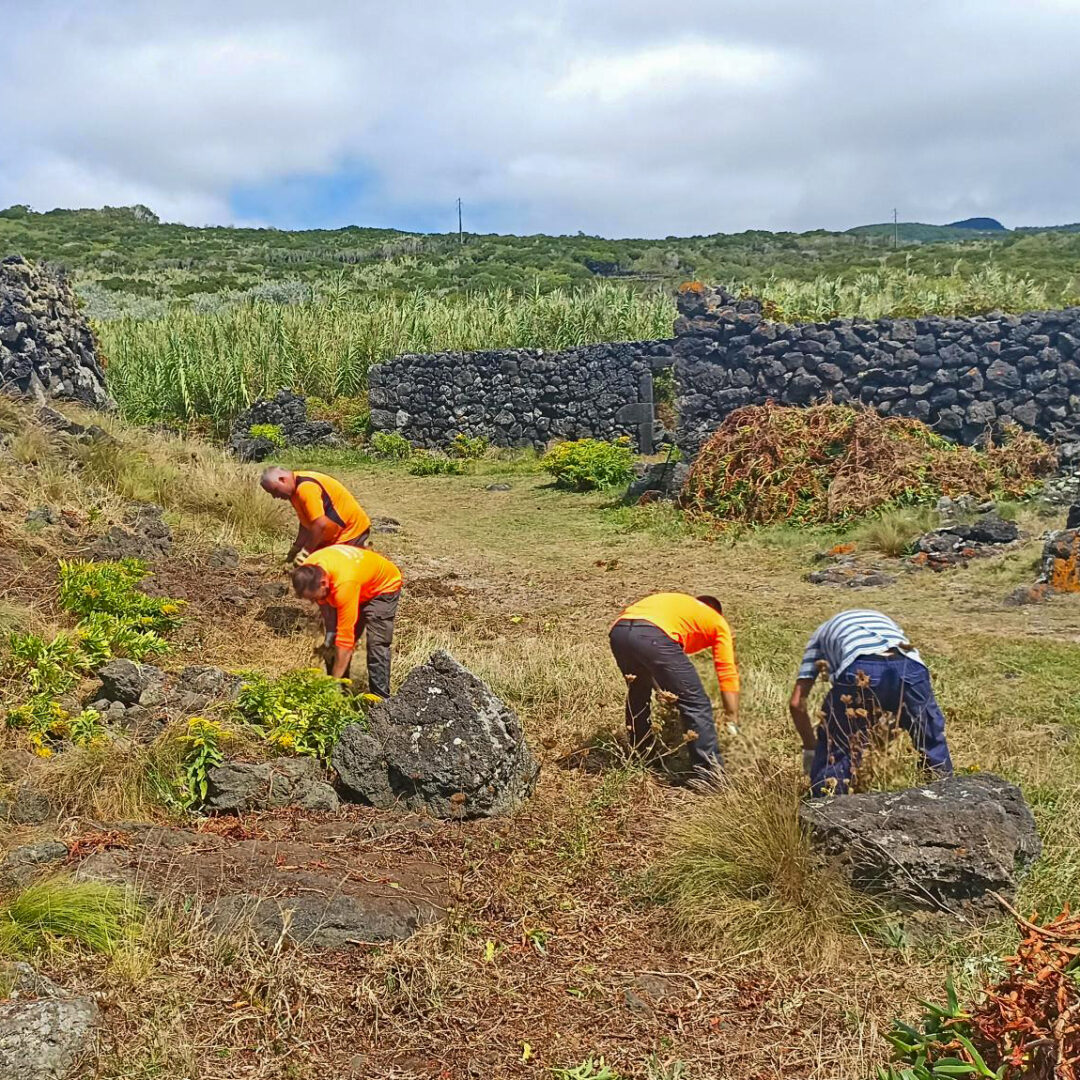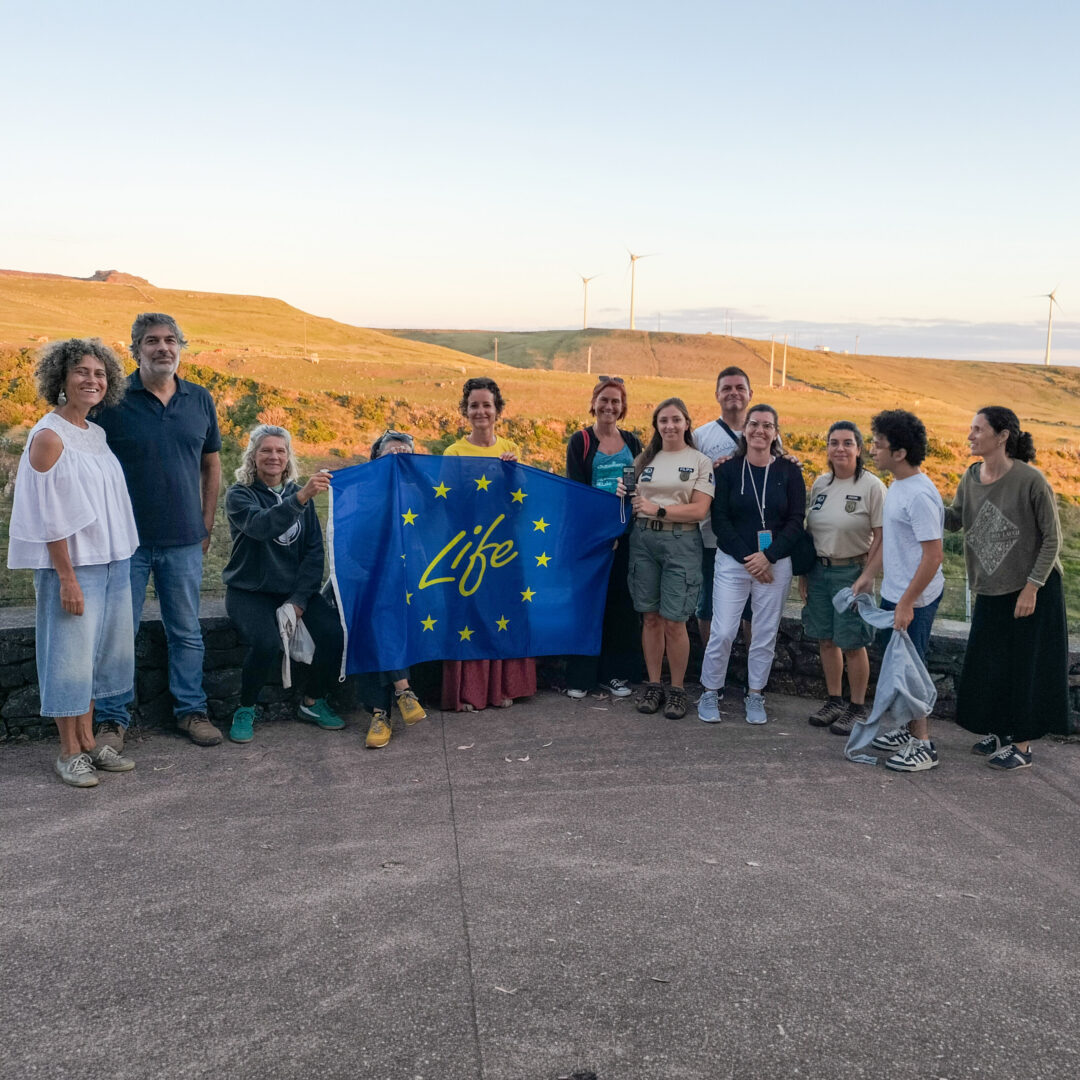
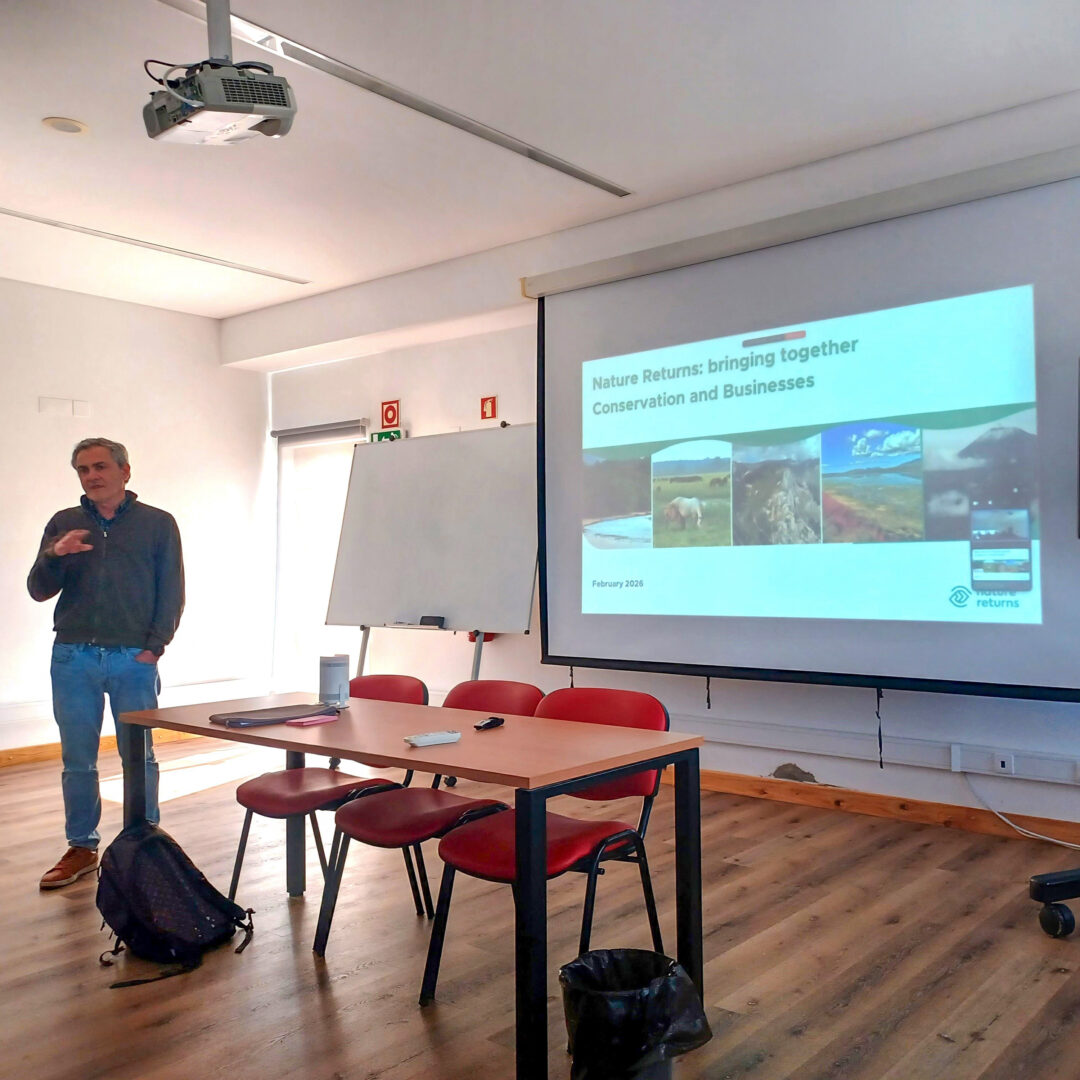
LIFE IP AZORES NATURA, coordinated by the Regional Secretariat for the Environment and Climate Action, took part in the annual workshop of the Pilot Project to define the Pico Island Nature Park Management Plan (PNIP). This meeting brought together various organisations and partners involved in developing this pioneering plan, providing a forum for sharing, alignment, and joint reflection.
LIFE IP AZORES NATURA’s participation forms part of Action F3 – Working Group for the Coordination of Complementary Funds, whose mission is to strengthen the coordination between initiatives and funding mechanisms that contribute to the implementation of the Priority Action Framework (PAF) for the Natura 2000 Network in the Azores. In this context, the project collaborates on activities complementary to the development of the PNIP management plan, ensuring synergies and adding value to the ongoing work.
The Pico Island Nature Park is part of the international Nature Returns project, featuring as one of five pioneering sites selected to test innovative approaches to the management of protected areas. In addition to Pico, the Nature Parks of Lonjsko Polje (Croatia), Príncipe (São Tomé and Príncipe), Shar Mountains (North Macedonia), and Ulcinj Salt Pans (Montenegro) are also participating. This initiative aims to transform traditional management models by integrating entrepreneurial ventures that simultaneously contribute to threat mitigation, the enhancement of the territory and socio-economic sustainability.
The model proposed by Nature Returns seeks to generate mutual benefits for protected area managers by optimising human and financial resources, creating innovation opportunities aligned with conservation for entrepreneurs, and promoting skilled employment and sustainable development rooted in natural values for local communities.
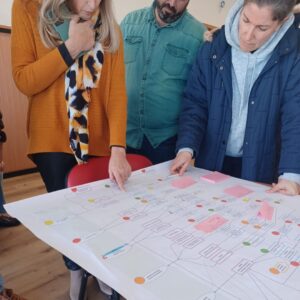
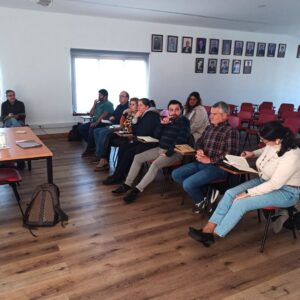
During the two working sessions, progress on the various initiatives under development, the results achieved and the latest monitoring data were presented. The meeting also included a joint review of the Pilot Plan, as part of an adaptive management exercise that will enable strategies to be refined and the effectiveness of the measures implemented to be strengthened.
With the financial support of the LIFE Programme of the European Union.