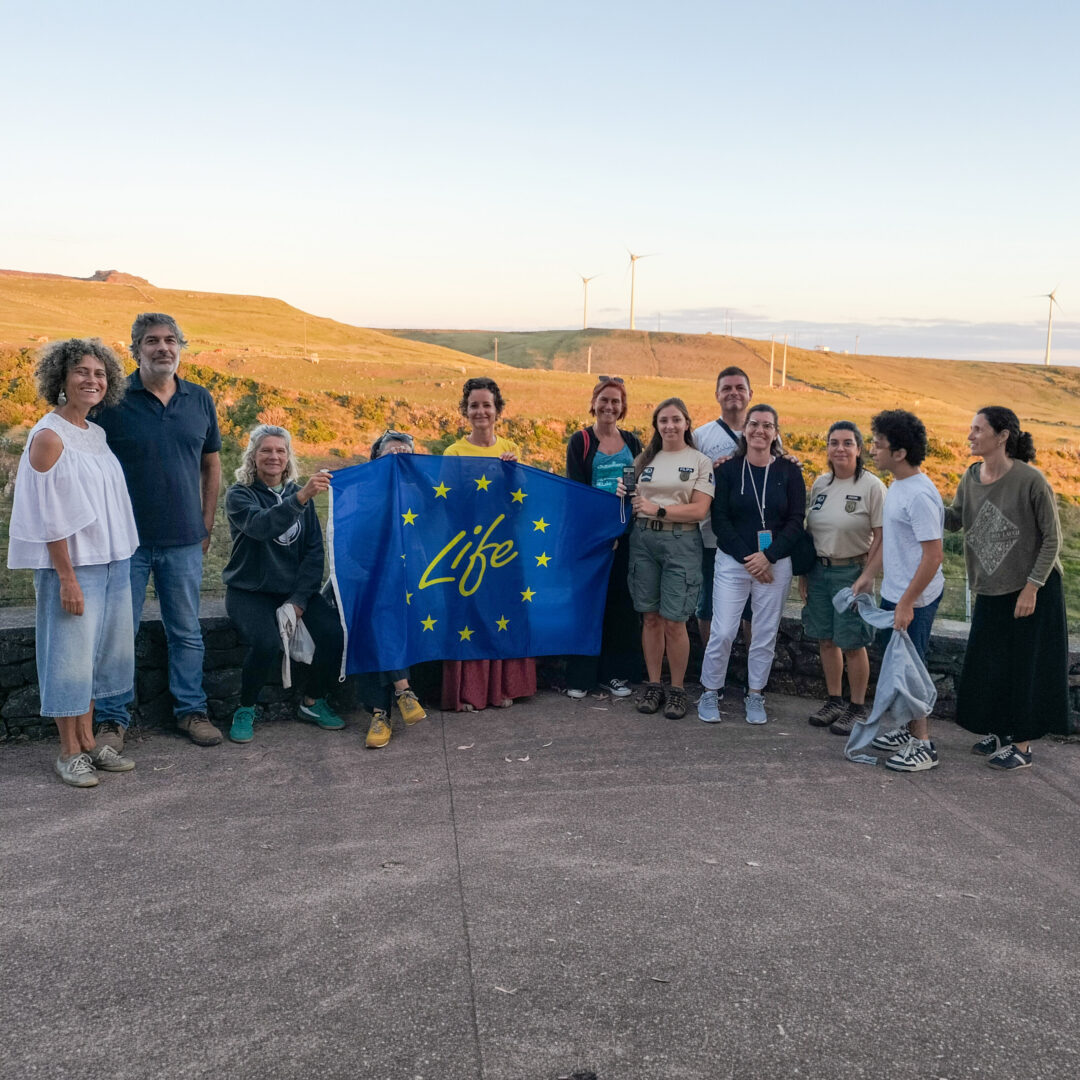
As part of Action E2 – Technical dissemination, transfer and replication of the project, the LIFE IP AZORES NATURA project took part in the SELINA online dialogue – Connecting science, policy and practice: ecosystem condition indicators in ecosystem assessments and accounting.
The session aimed to present the latest developments in the SELINA project on indicators to assess ecosystem condition. Practical examples were also shared, including a study on the condition of forests on the island of São Miguel. In addition, there was an opportunity for experts to exchange ideas, focusing on the challenges and opportunities of applying these indicators, the needs identified on the ground, and the use of satellite data combined with on-site verification.
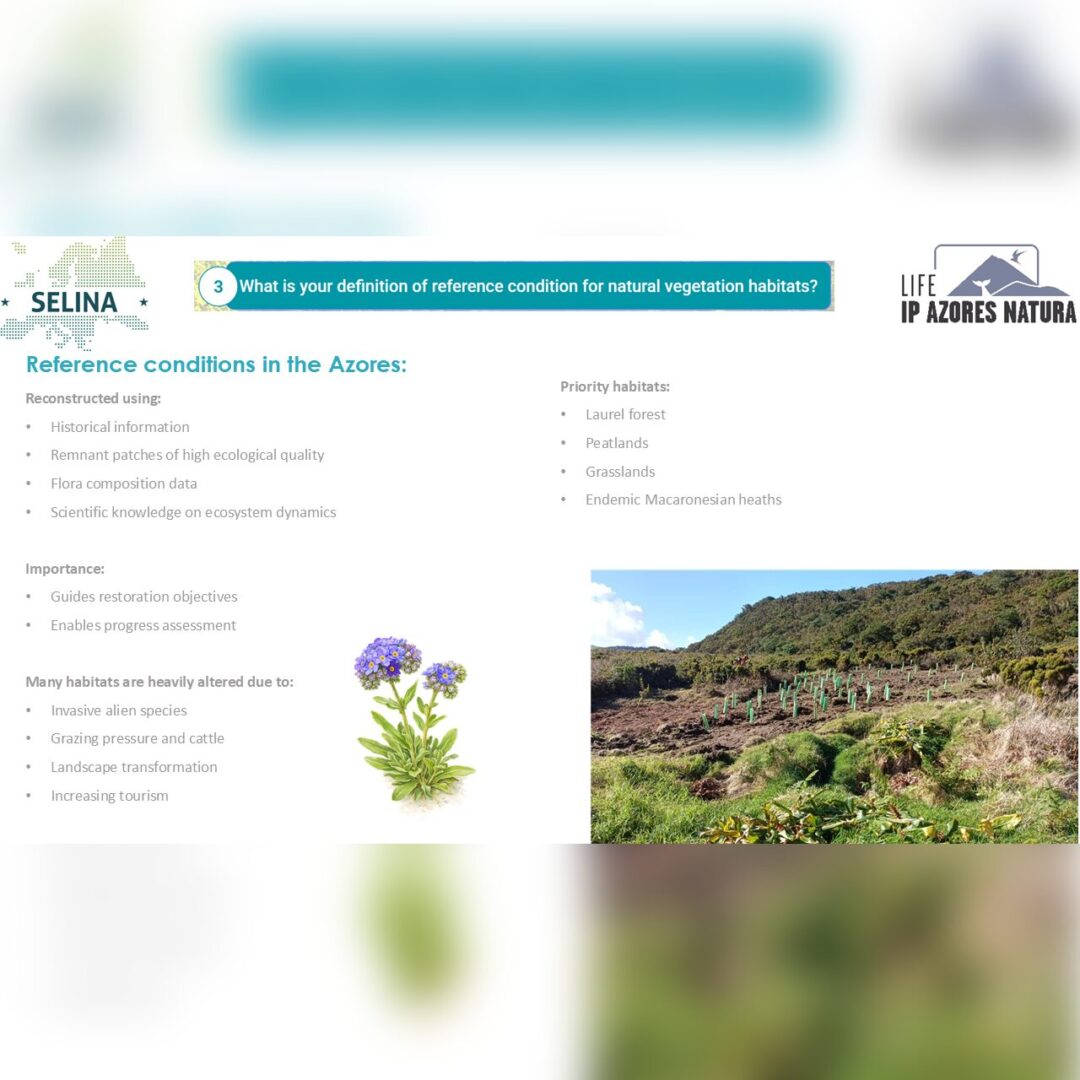
During the session, LIFE IP AZORES NATURA, a project coordinated by the Regional Secretariat for the Environment and Climate Action, contributed to the discussion on defining the reference condition for natural vegetation habitats, that is, the ecological state that ecosystems would present in the absence of significant human influence. This state is characterised by the predominance of native and endemic species, structural balance, and the proper functioning of ecological processes, including natural regeneration.
In the Azores, this reference condition is reconstructed from historical data, analyses of well-preserved areas, and available scientific knowledge. This approach is particularly relevant in a context where many habitats are degraded by invasive alien species, grazing, landscape changes, and tourism pressure.
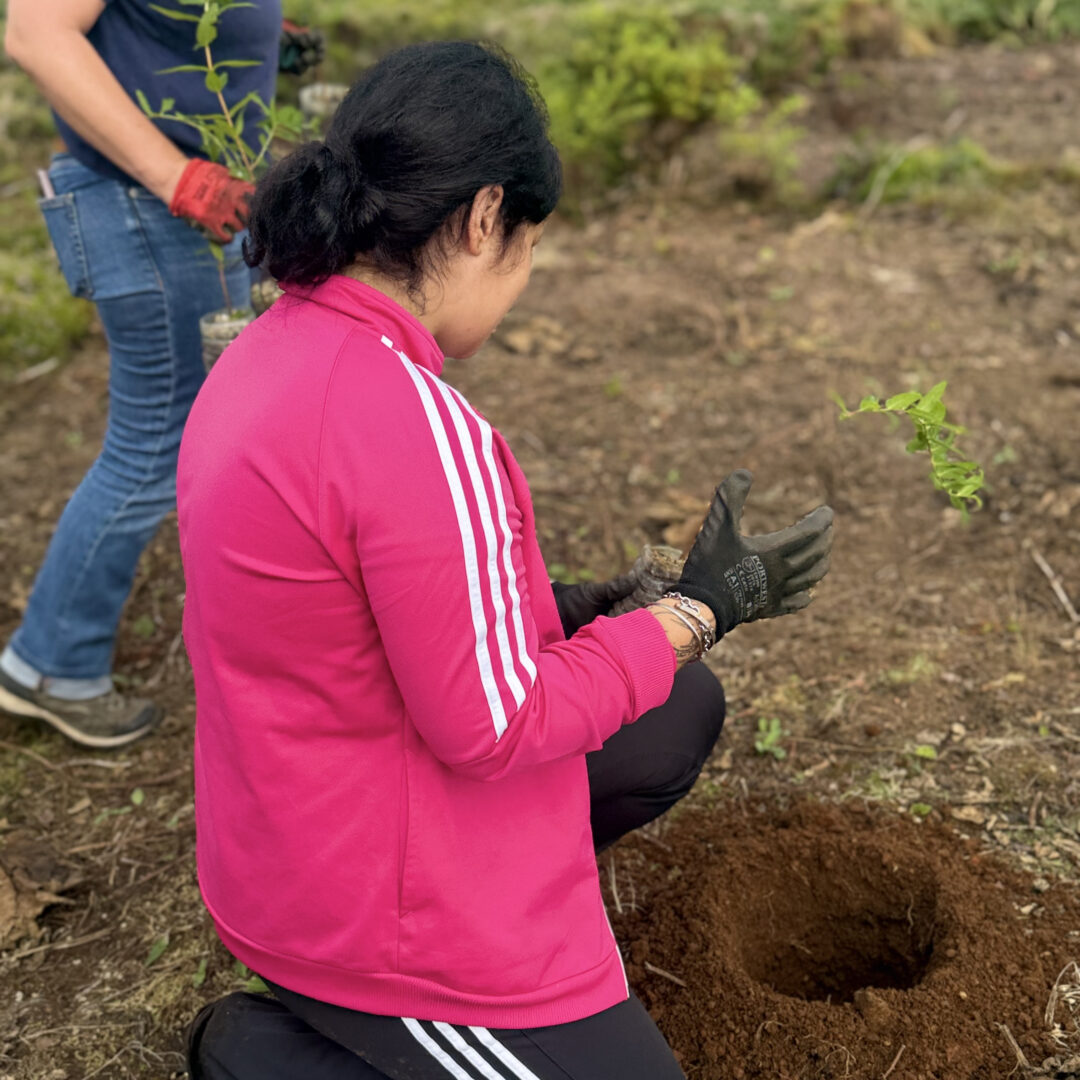
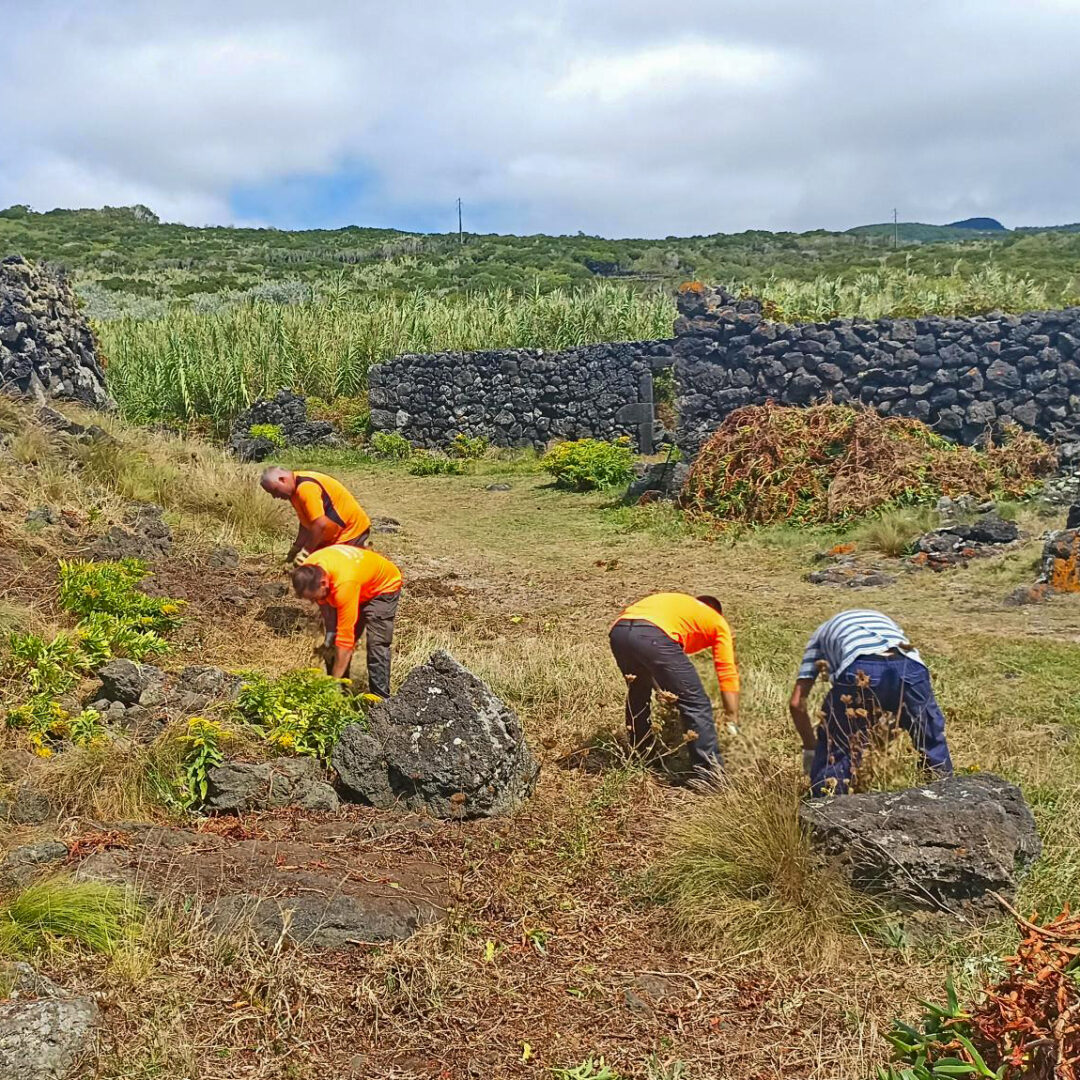
The project has been applying this concept to habitat restoration, serving as a basis for defining ecological restoration objectives and for assessing the effectiveness of interventions implemented under the LIFE IP AZORES NATURA programme. In general, the use of a reference condition helps guide more effective restoration interventions, thereby increasing ecosystem resilience and promoting the long-term conservation of biodiversity.
With the financial support of the LIFE Programme of the European Union.