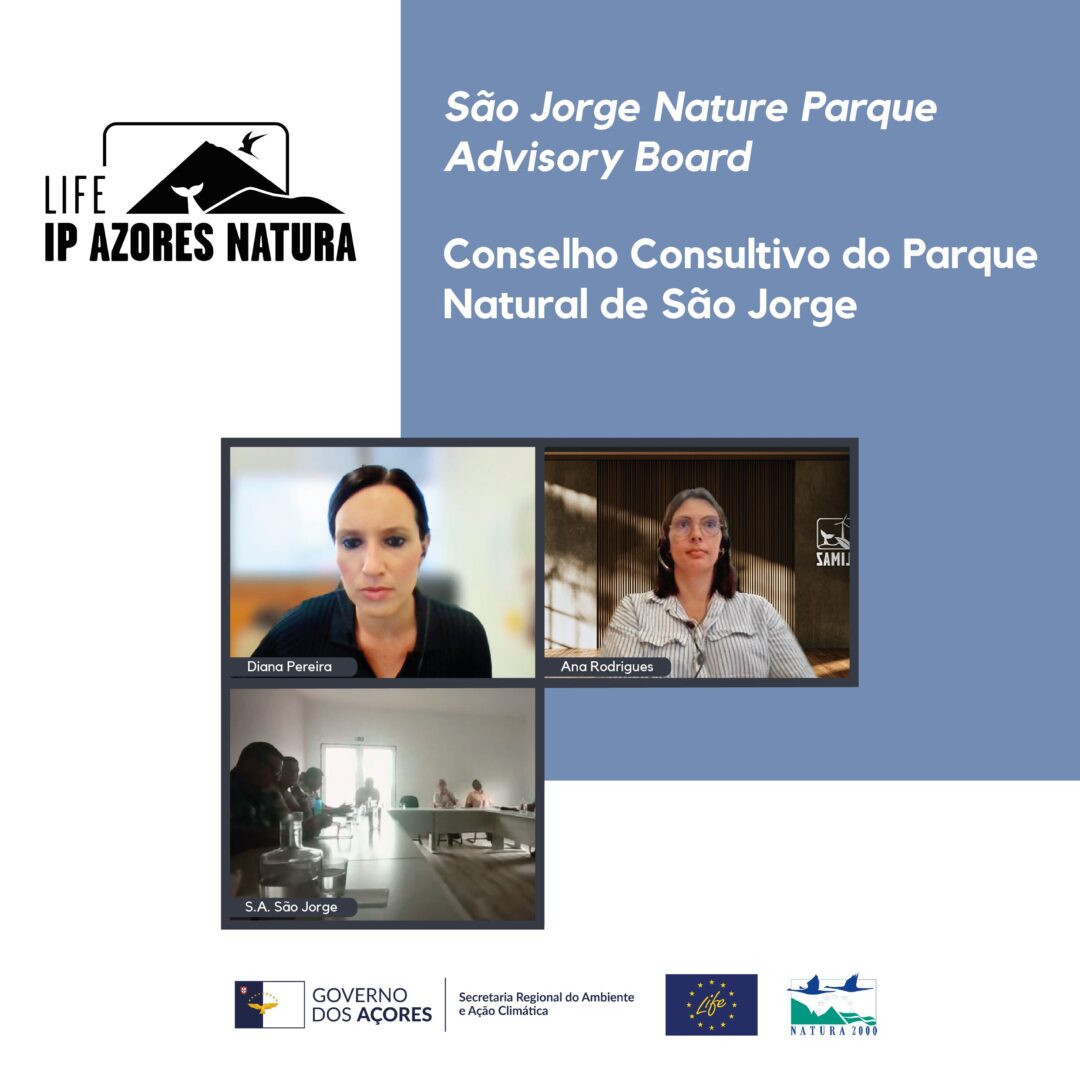
The project manager for the LIFE IP AZORES NATURA project, coordinated by the Regional Secretariat for the Environment and Climate Action, recently took part in a meeting of the Advisory Board for the São Jorge Island Nature Park, where the main results and progress of the conservation actions carried out on the island were presented.
Work has focused mainly on Fajã dos Cubres and Ilhéu do Topo, and has also involved monitoring species protected under the Habitats Directive, by assessing the pressures to which they are subject and implementing measures to boost their populations.
Concerning Ilhéu do Topo, no developments have been recorded during the last period, as interventions are dependent on the conclusion of the legal proceedings currently under judicial review.
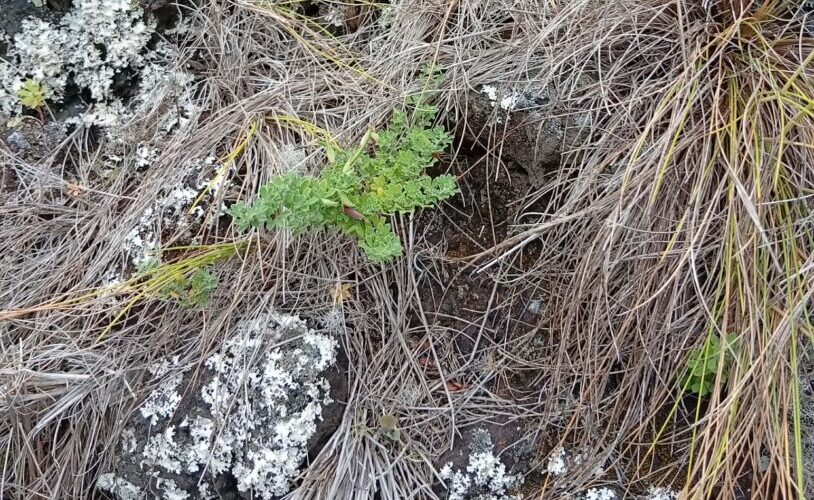
Since the start of the project, around 2.5 kilograms of seeds from 23 target species have been collected, contributing to the conservation of native flora and to the production of plants for ecological restoration work.
Also worth noting is the significant increase in plant production capacity by the São Jorge Environment and Climate Action Service (SAACSJ), which has enabled the island to become more self-sufficient in supplying various protected and endemic herbaceous species. Most of the plants produced are already potted and will be used in the planting initiatives planned for the end of this year, thereby also reducing the costs associated with transporting plants from the Faial Botanic Garden.
This significant achievement is largely due to the commitment and dedication of the team at the SAACSJ and its Park Rangers.
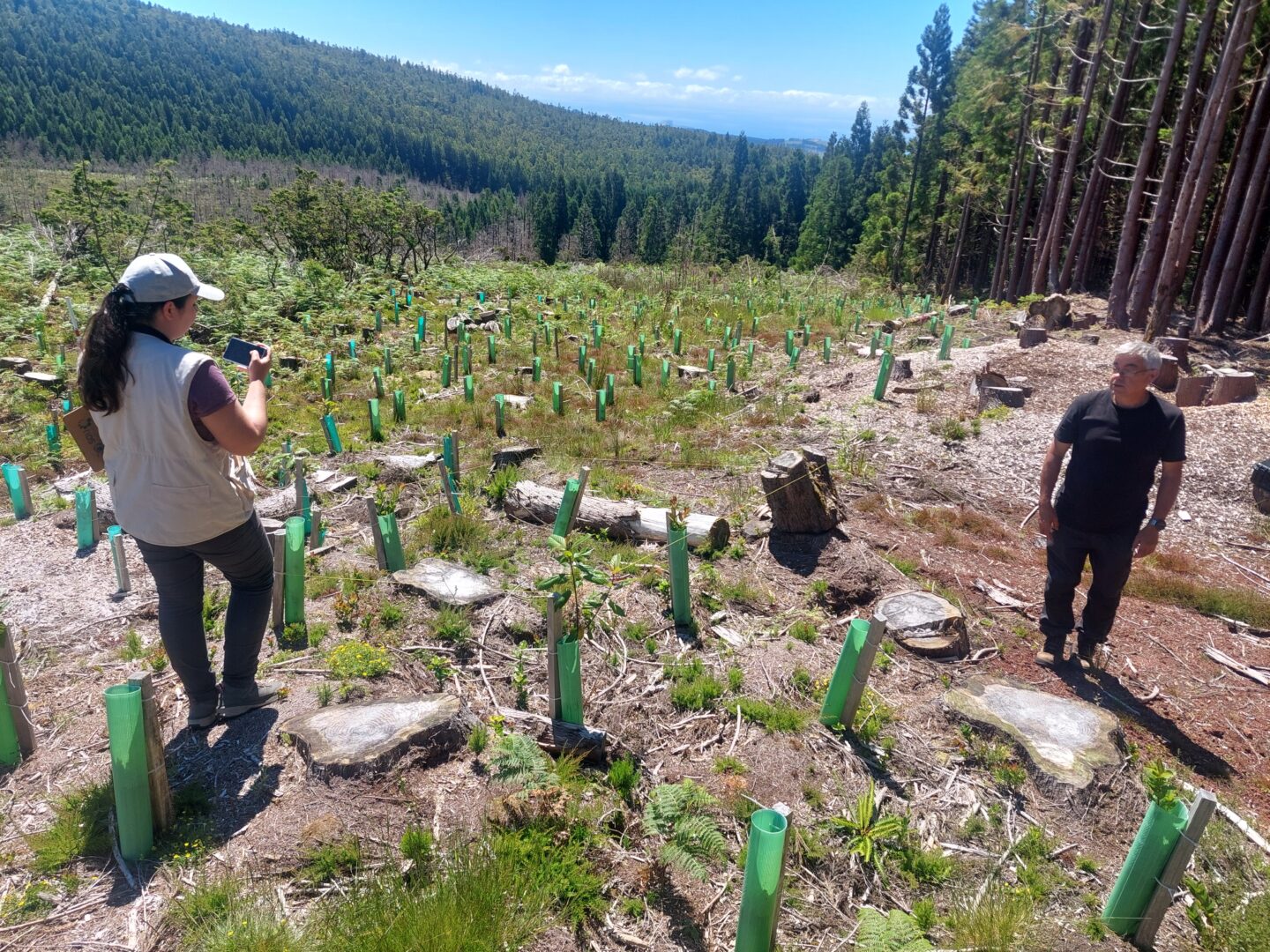
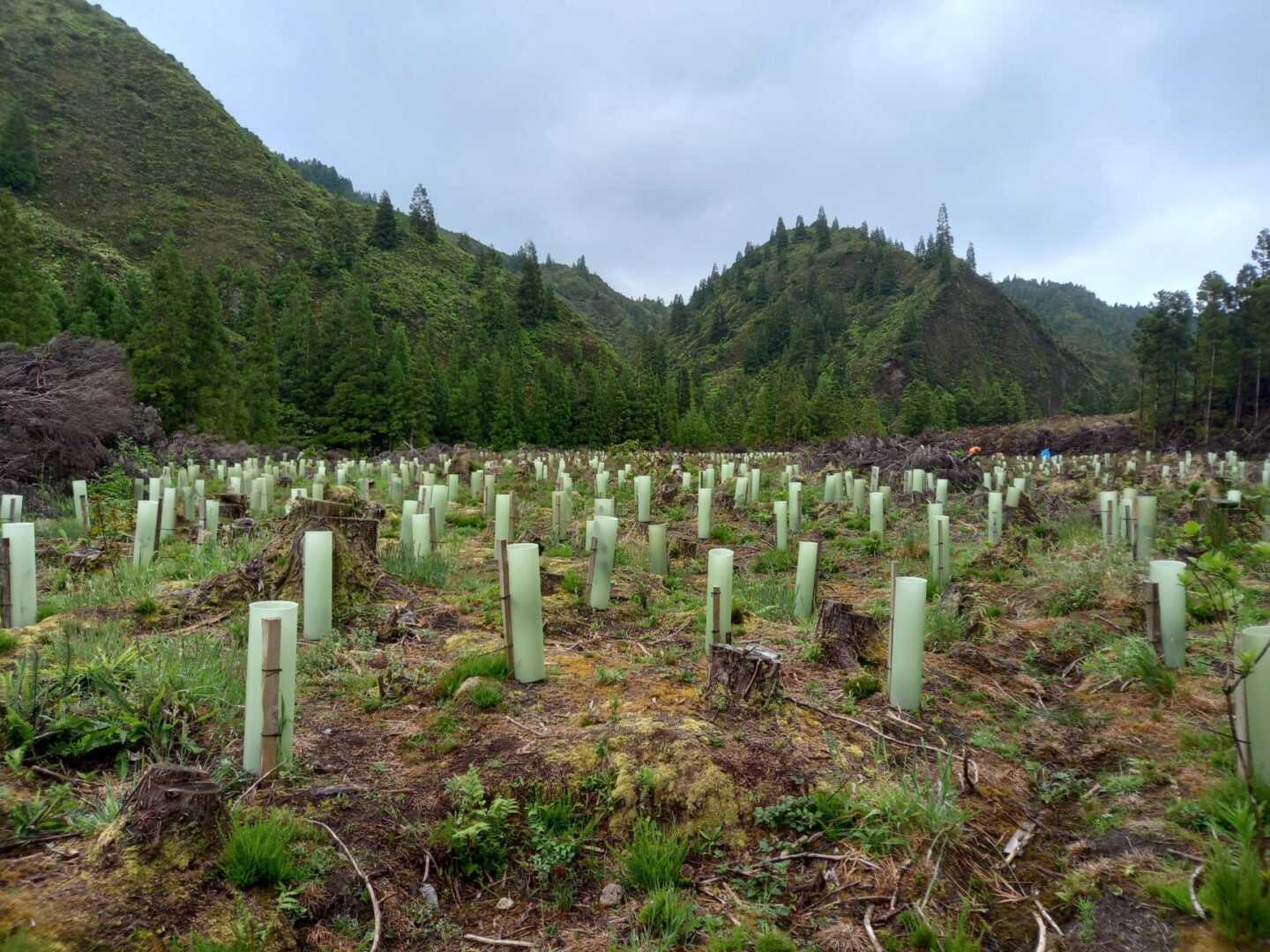
As part of habitat restoration efforts, 5,536 plants have been planted since the start of the project, of which 1,682 were planted in 2026.
The completion of the footbridges at Lagoa dos Cubres was also noted; this infrastructure will contribute to the enhancement and protection of this important ecosystem.
About the control of invasive alien species, the project recorded the clearance of 20.4 hectares of infested areas, including maintenance work, covering a total of 17 invasive alien species.
The most recent data also point to a positive trend in the quality of the water bodies in Lagoa dos Cubres. This situation may be linked to the increased connectivity between the two lagoons, following the work to open up the channels carried out by the team from the SAACSJ. These measures have promoted water renewal and helped to reduce the accumulation of nutrients, creating more favourable conditions for the conservation of this ecosystem.
This development is of particular importance for improving the conservation status of the priority habitat ‘Coastal lagoons’ (1150), protected under the Habitats Directive, which is present in Lagoa dos Cubres. With the financial support of the LIFE Programme of the European Union.