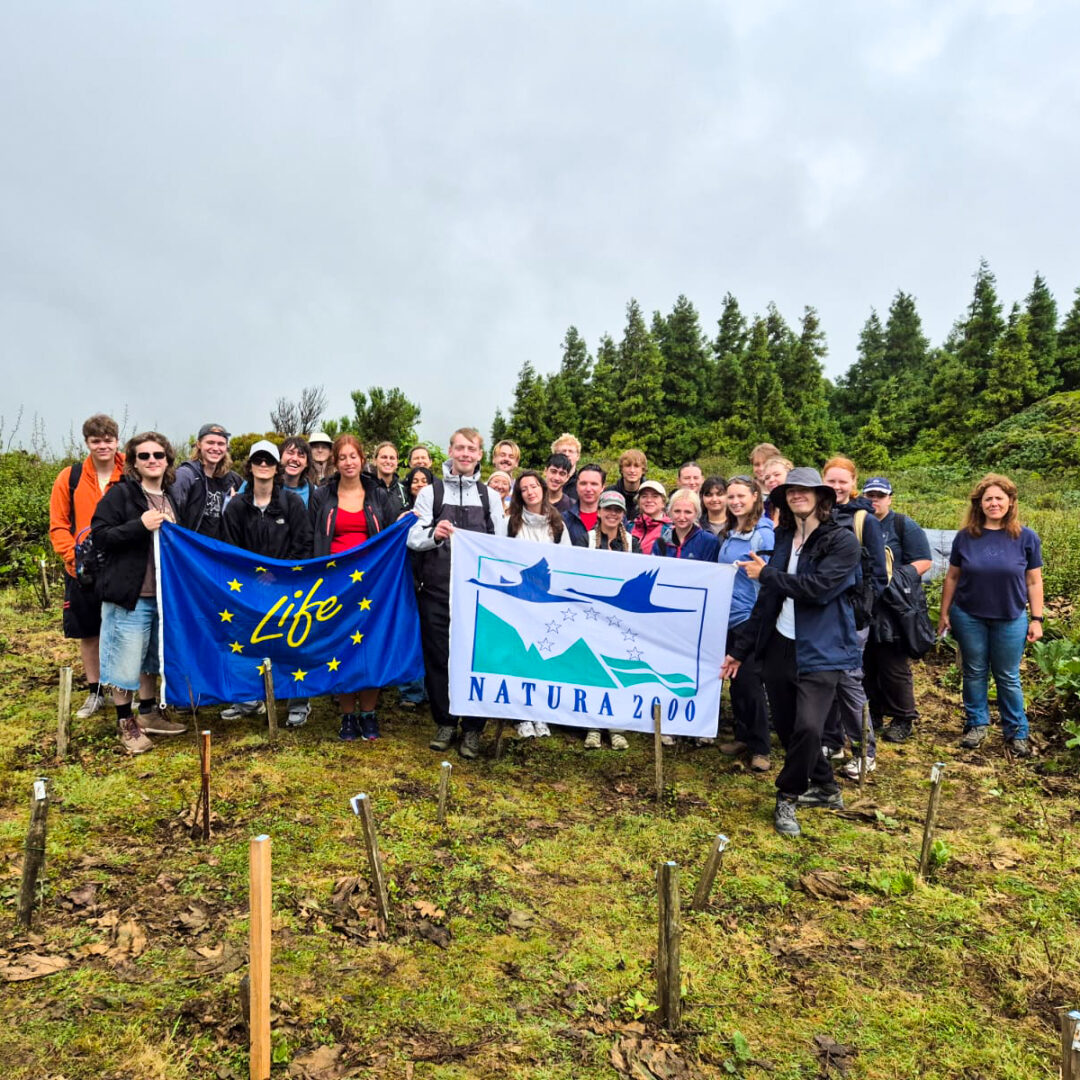
On 19 and 20 August, a group of students from the University of Plymouth, accompanied by lecturers from the university, took part in two volunteering initiatives organised by the LIFE IP AZORES NATURA project, in collaboration with the São Miguel Island Environment and Climate Action Service.
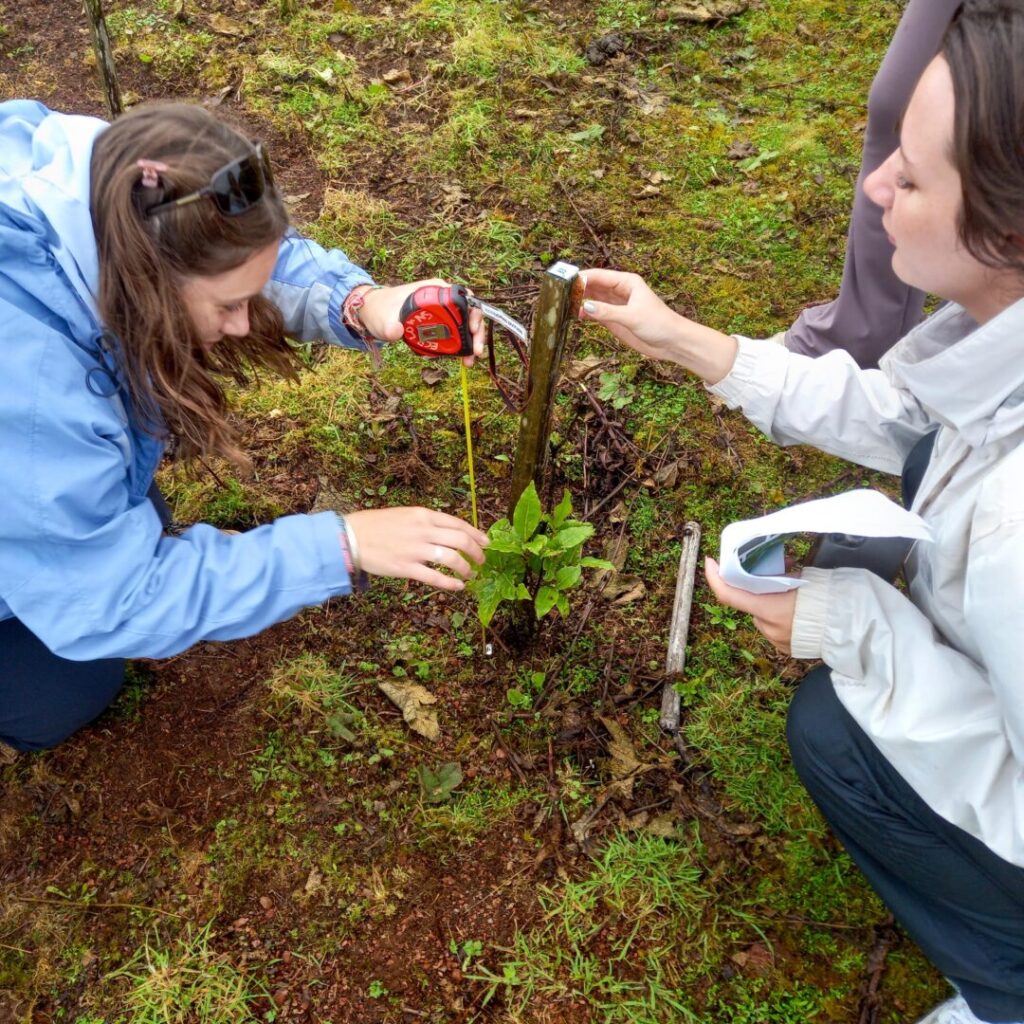
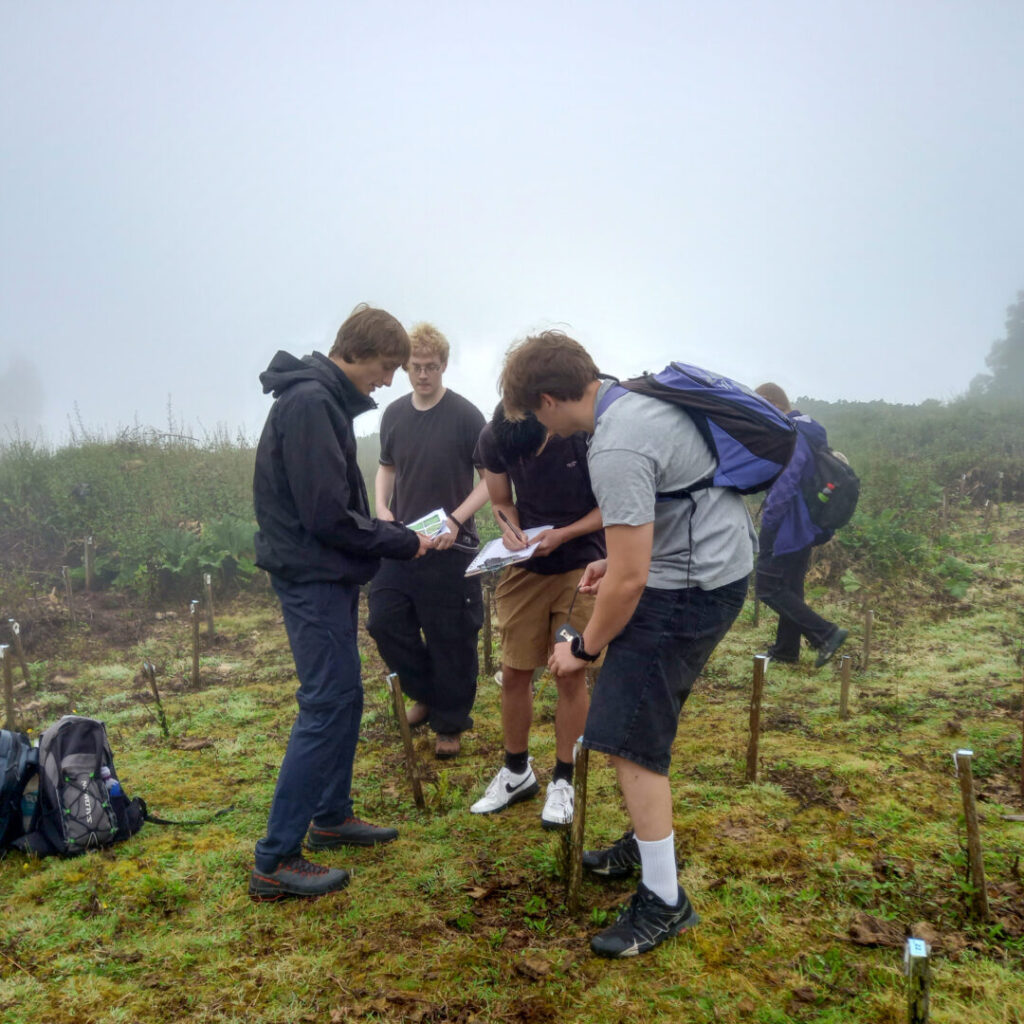
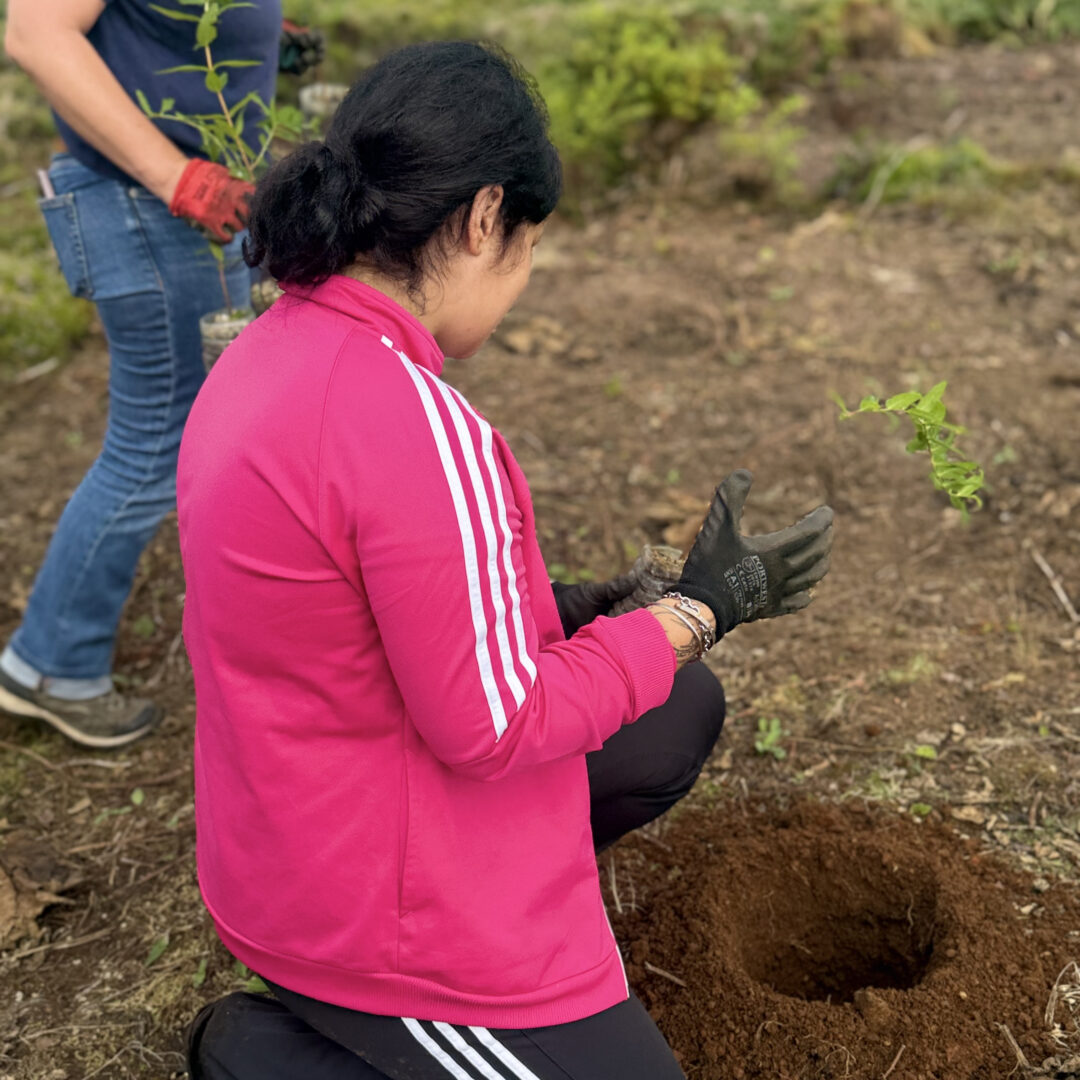
On the first day, the volunteers travelled to Serra Devassa, in the Sete Cidades area, where they helped monitor plantings carried out as part of the project. The work involved identifying the planted specimens, assessing their survival rates and recording growth parameters. Seeds from native and endemic species were also collected, which may be used in future conservation and ecological restoration initiatives.
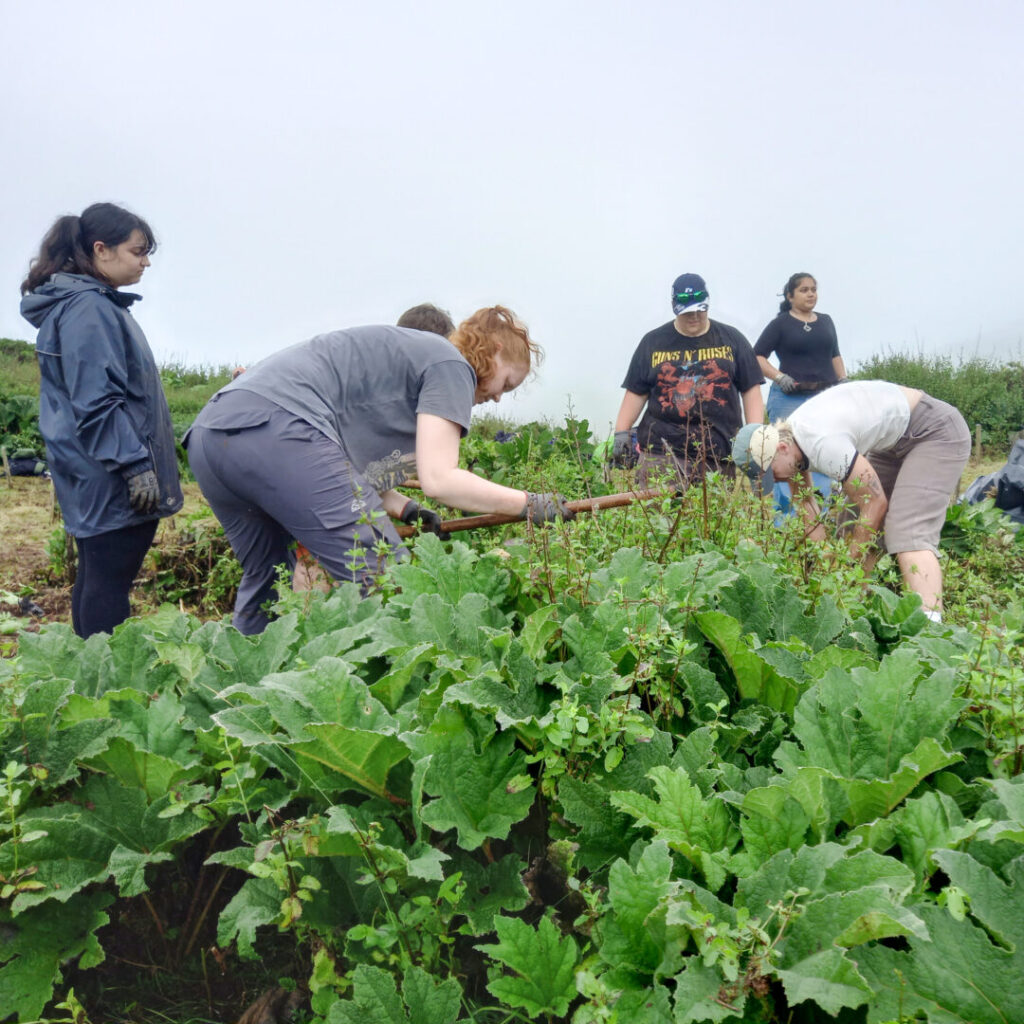
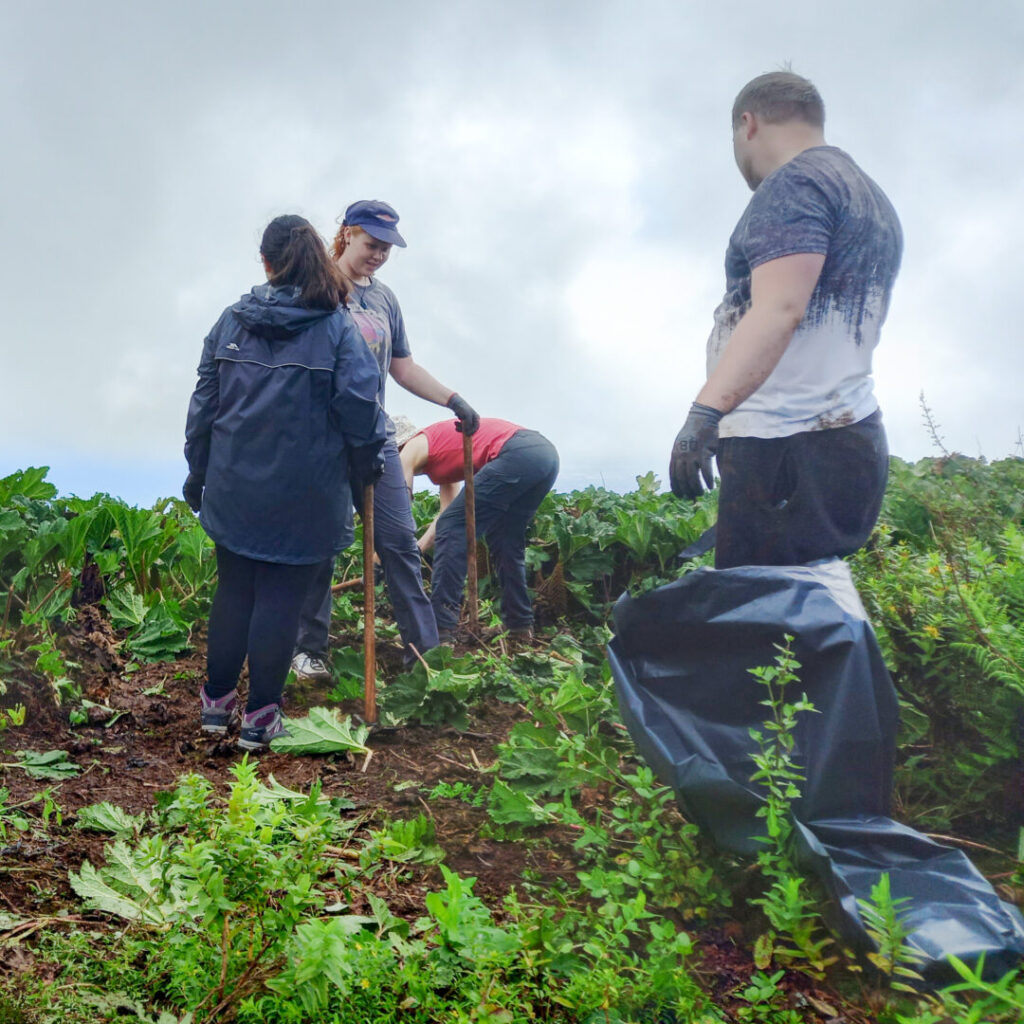
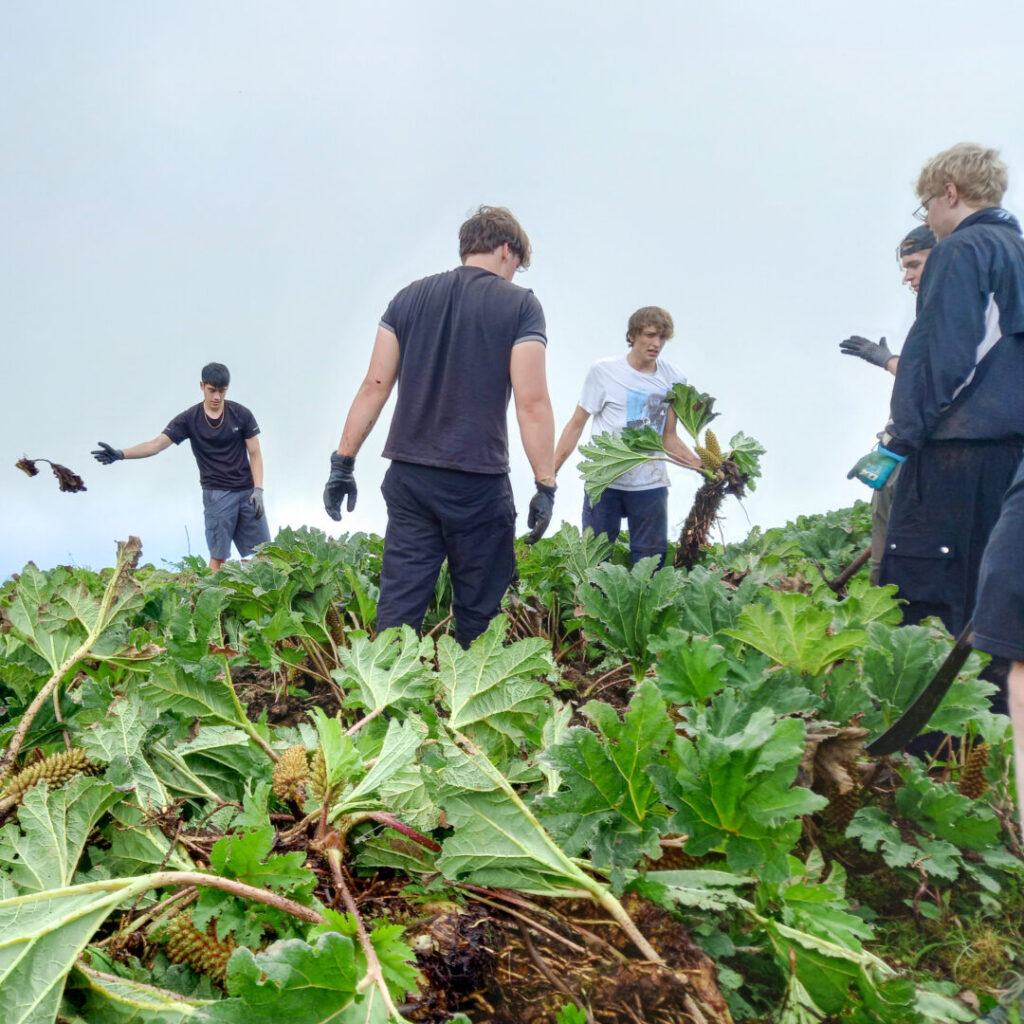
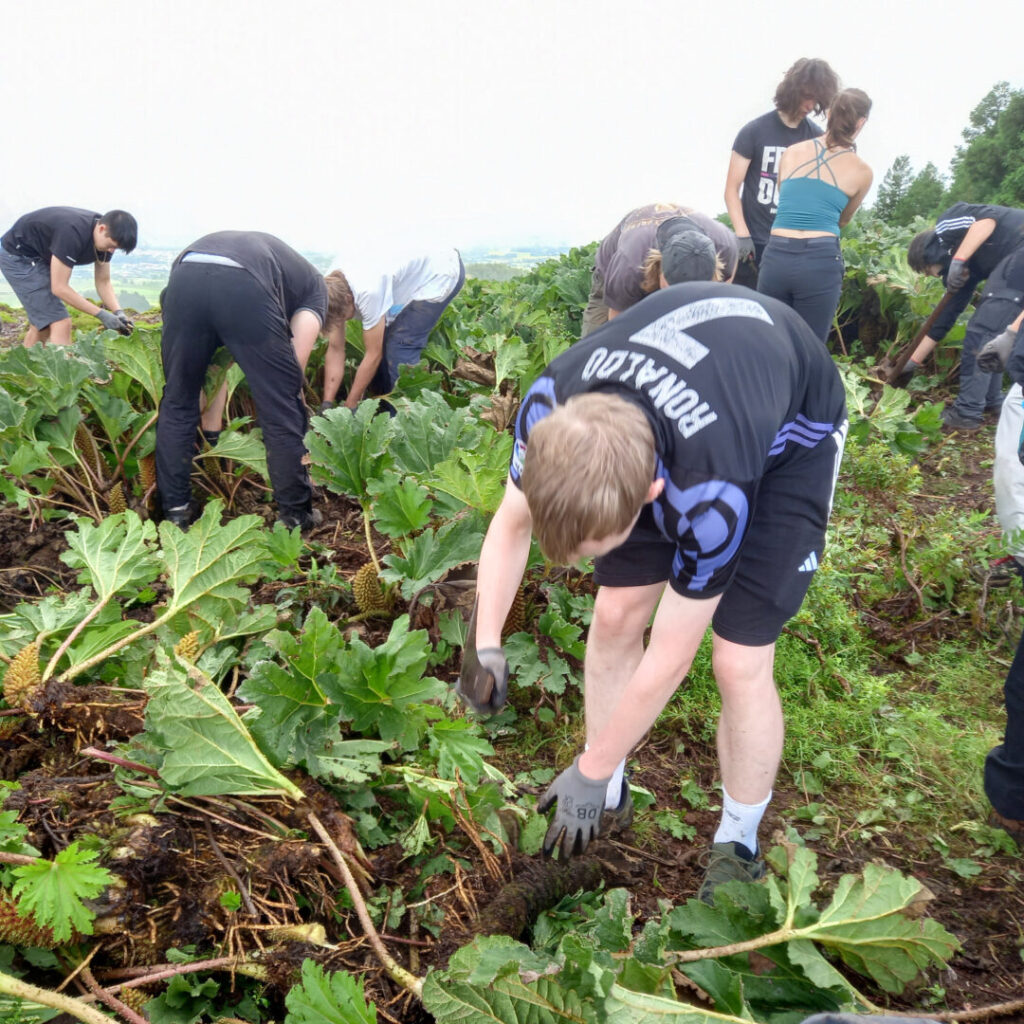
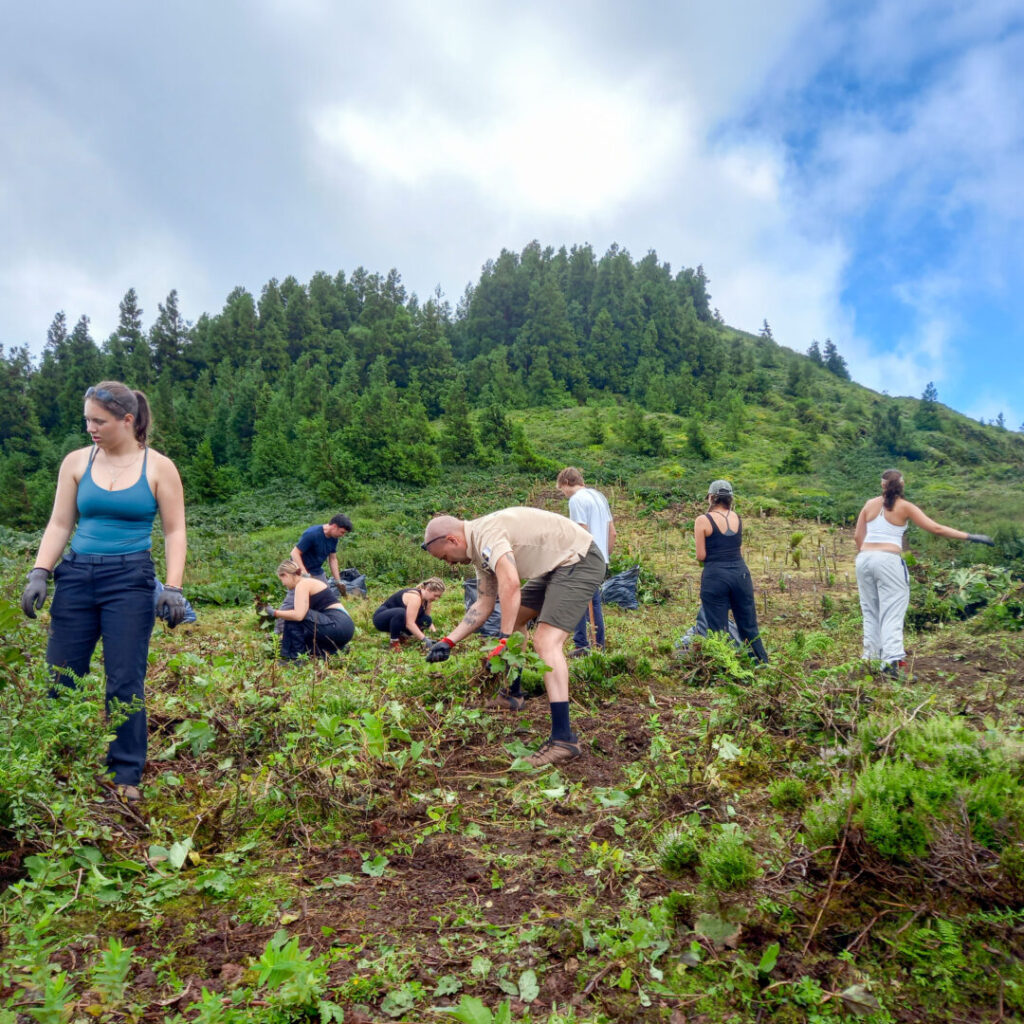
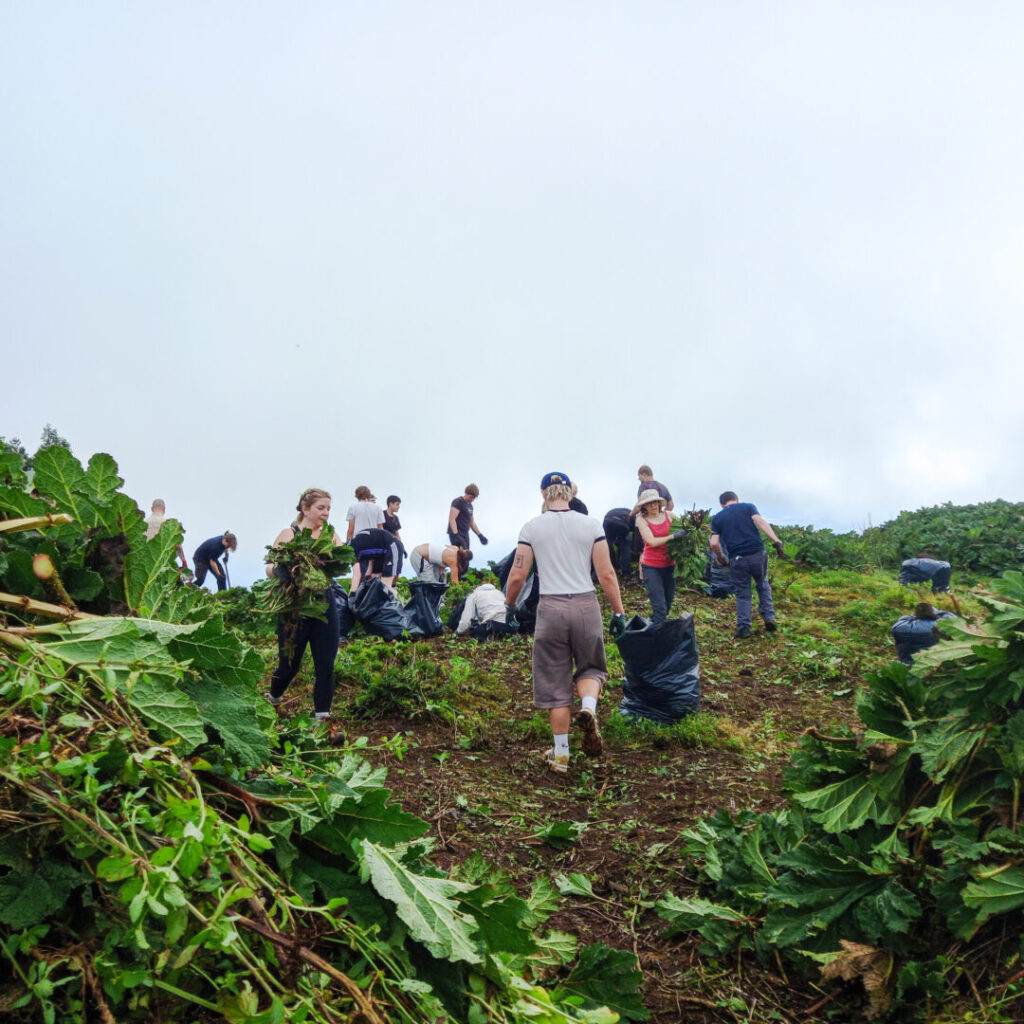
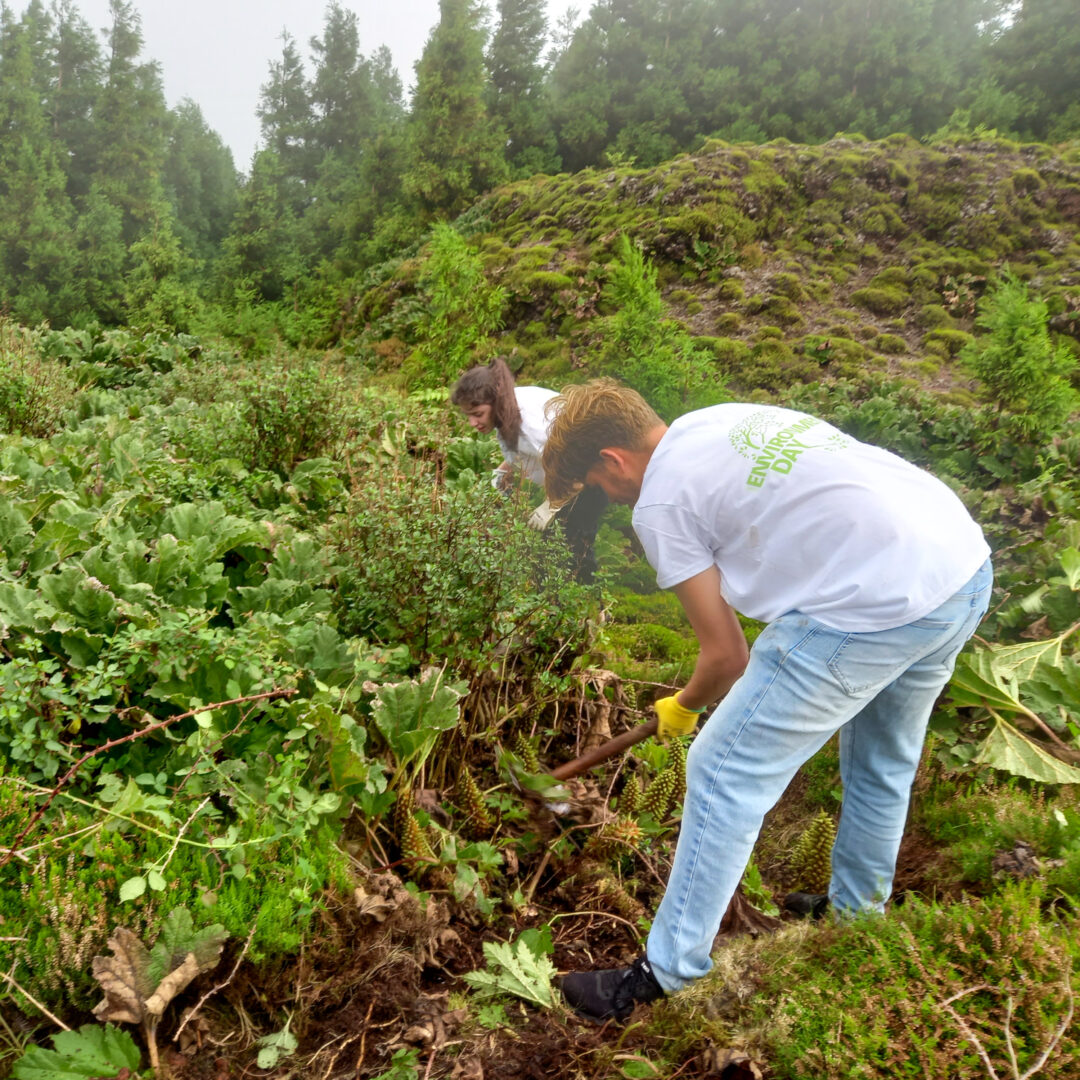
On 20 August, the activity took place at Lagoa do Carvão, where the students helped with the manual removal of the invasive species Chilean Rhubarb (Gunnera tinctoria). This species threatens the natural habitats of the Azores, competing with native flora and disrupting ecosystem balance. The intervention thus contributed to the ecological recovery of the area.
These initiatives provided participants with practical experience of nature conservation and ecological restoration, whilst emphasising the importance of the academic community’s involvement and of cooperation between higher education institutions and biodiversity conservation projects.
The LIFE IP AZORES NATURA project would like to thank the University of Plymouth, Dr Anne Plessis and all the participating students for their enthusiasm, dedication and contribution to the conservation of the Azores’ natural heritage. With the financial support of the LIFE Programme of the European Union.